
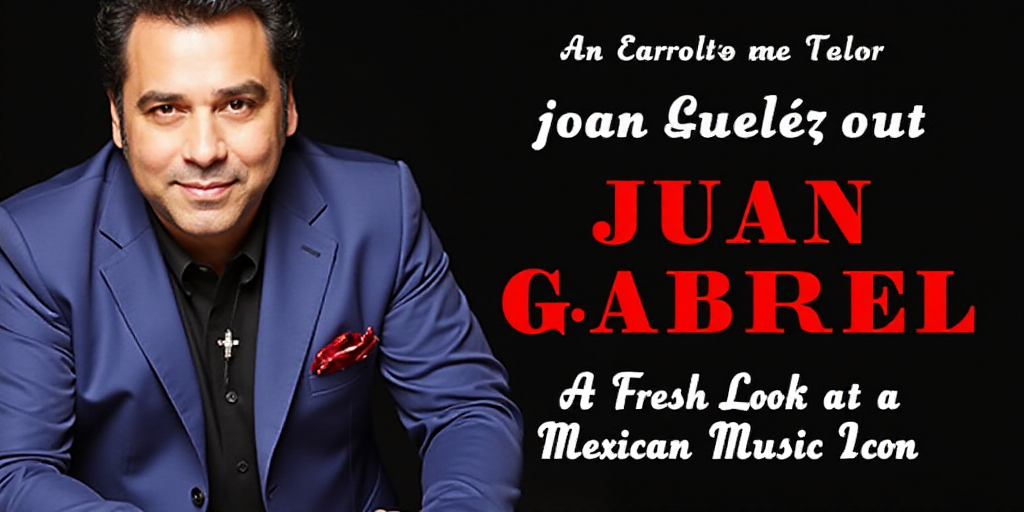
Introduction to Juan Gabriel and the Documentary
Juan Gabriel: Debo, Quiero, Puedo is a unique and little-seen approach to a significant figure in Mexican popular music, Alberto Águilera Valadez, better known as Juan Gabriel. Directed by María José Cuevas and produced for Netflix, this four-part docuseries offers an intimate look into the life and work of one of Mexico’s most influential contemporary cultural artists through his personal archive.
The Impact and Relevance of Juan Gabriel
Regardless of how much you already know about Juan Gabriel’s life and career, this documentary invites viewers to explore the complex, captivating persona of a man who has authored over 500 songs that have become an integral part of Mexico’s popular culture for the past five decades. His music transcended genres, helping to blur the lines between high culture and popular Mexican culture during a time of political and sexual repression.
Whether you’ve encountered his music through pop tunes, rancheras, or the Maldita Vecindad and los Hijos del Quinto Patio’s cover of “Querida,” Juan Gabriel’s music has been deeply embedded in Mexico’s popular culture for half a century.
A Comparative Analysis
Juan Gabriel: Debo, Quiero, Puedo provides Juan Gabriel with the same reverence afforded to other legendary artists in acclaimed music documentaries such as The Searcher (Elvis Presley), The History of The Eagles, the Anthology series, or Get Back (The Beatles), No Direction Home (Bob Dylan), and the recent Billy Joel documentary And So It Goes.
The documentary’s captivating scenes of Juan Gabriel’s performances at Palenques, the Palacio de Bellas Artes, and the Centro de Espectáculos Premier mirror the excitement of Elvis Presley’s Las Vegas concerts, the iconic rooftop performance, or Paul McCartney sketching “Get Back” during a rehearsal.
The Documentary’s Unique Approach
Juan Gabriel: Debo, Quiero, Puedo paints a portrait of a repressed Mexico that found liberation through Juan Gabriel’s presence and music. It offers an intimate look at the public persona crafted by Alberto Aguilera to conceal his private life, rather than delving into scandal or sensationalism.
This documentary exemplifies the potential of music-focused films, helping us understand the private persona while also drawing viewers into the composition process and perfectionism displayed on stage by artists like Juan Gabriel.
One of the documentary’s greatest achievements is its reliance on Alberto Águilera’s extensive personal visual and audio archive, avoiding the need for external interviews or talking heads.
The Need for More Mexican Music Documentation
Upon finishing the four-part series, viewers are left with a profound appreciation for the scarcity of documentation on Mexico’s diverse popular music genres and the evident need for more such projects. We require documentaries on Juan Gabriel, Pérez Prado, Esquivel, Mario Lavista, Rockotitlan, and many more to enrich the narrative of Mexico’s popular music history.
Key Questions and Answers
- Who is Juan Gabriel? Juan Gabriel, whose real name is Alberto Águilera Valadez, is a renowned Mexican singer-songwriter known for composing over 500 popular songs.
- Why is this documentary important? The docuseries offers a fresh, intimate perspective on Juan Gabriel’s life and work, utilizing his personal archive to provide an engaging look at the artist’s impact on Mexican popular culture.
- What sets this documentary apart from others? Unlike many music documentaries that focus on scandal or sensationalism, Juan Gabriel: Debo, Quiero, Puedo takes a unique approach by relying on Alberto Aguilera’s personal archive and avoiding talking heads, offering a more genuine portrayal of the artist.
- Why is there a need for more Mexican music documentation? There’s a clear deficiency in the documentation of Mexico’s diverse popular music genres, making it essential to create more projects like Juan Gabriel: Debo, Quiero, Puedo to preserve and share this rich musical history.




