
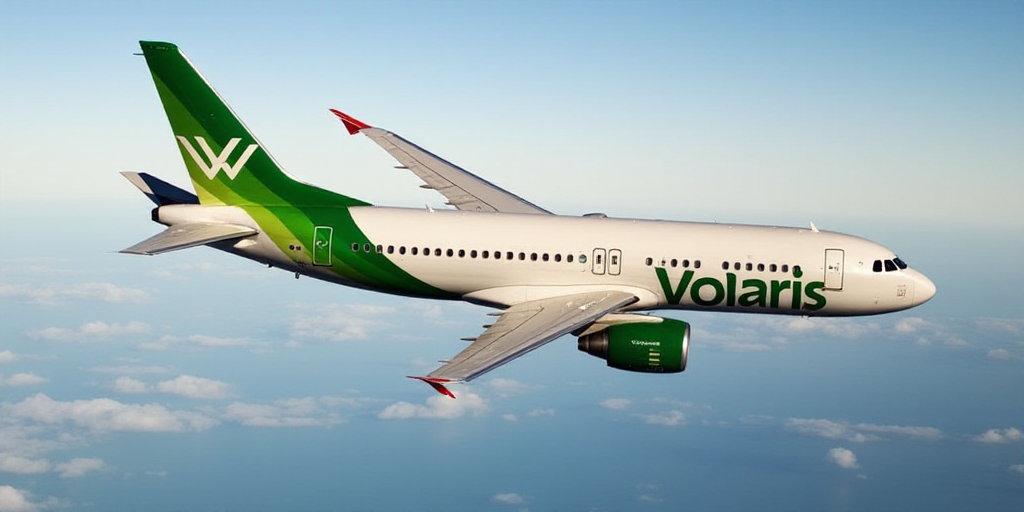
Introduction
The proposed merger between Viva and Volaris has been a hot topic in the media recently. As a user, one might initially think that instead of three options, there will only be two. Depending on the route, it could even reduce from two to just one option. Although both airlines have stated that their operations and brands will remain independent, it’s common for the competition authority to analyze a more adverse scenario for competition, considering them as if they were merging into one entity.
Market Share and Competition
According to media reports, these two airlines hold 70% of the Mexican market. However, it’s crucial to note that this depends on how the market is defined. In some cases, the competition authority has determined that there’s an independent market for each route, while in others, the market is defined by networks. It’s not straightforward to determine if this market is national or international, unimodal or multimodal. Do Viva and Volaris compete with JetBlue, Delta, and other US airlines? On which routes? Do they also compete with alternative transportation methods like buses or driving in certain routes?
Potential Efficiencies
A merger of this nature could also bring efficiencies. If they fully unite, duplicate costs such as accounting, administrative, and legal departments would no longer exist. Even if their brands and operations remain independent, being under the same controlling company could lead to better financing conditions, expanded routes, and more intense competition against larger aviation companies.
Market Capacity and Demand
There are also questions regarding market capacity: does it make sense to strive for a highly competitive market if demand only supports one or two companies? Is it the competition authority’s role to determine how many companies the market capacity serves, or is it up to the sectoral regulator? What if the operation isn’t approved, and the market only accommodates two companies? It could result in a worse scenario: the same number of companies (2), but one with less competitive ability.
Legal Requirements
The law states that if efficiencies outweigh costs, the merger should be authorized. It’s up to the notifying parties to prove these efficiencies exist, not just argumentatively. Evidence that can be provided includes greater economies of scale and scope, new services, cost reductions, quality improvements, or technological advances.
Conditional Approval
There’s also a possibility that the operation could be approved with conditions. This means the authority could impose regulatory measures that companies must comply with to be authorized under different terms than those presented.
The Role of the CNA
The CNA must conduct a thorough analysis first to determine the market and measure participations based on that market. It should then assess how the merger changes the market concentration. The CNA must also review entry barriers and their difficulty to overcome. Lastly, it should check if the operation generates anticompetitive effects and weigh them against potential benefits. With all this, the CNA should be able to make a decision: authorize, object, or condition the operation.
Demonstrating Benefits
While the executive power head mentioned that the merger would bring benefits, these legally need to be demonstrated and shown to outweigh competition risks. This isn’t an easy task, requiring extensive work from specialized lawyers and economists on both sides of the authority and the notifying parties.
Key Questions and Answers
- What is the current market share of Viva and Volaris? Together, they hold approximately 70% of the Mexican market.
- How does the merger affect competition? The competition authority will analyze whether the merger leads to a more concentrated market, potentially reducing competition.
- What efficiencies could result from the merger? Potential efficiencies include cost savings from eliminating duplicate departments and improved financing conditions.
- Is the market capacity sufficient to support more than two major players? This depends on demand and how the market is defined, which can range from individual routes to broader networks or modes of transportation.
- What must be proven for the merger to be approved? Notify parties must demonstrate that the merger’s efficiencies outweigh potential competition risks.
- What role does the CNA play in this process? The CNA must analyze the market, concentration changes, entry barriers, and potential anticompetitive effects before deciding to authorize, object, or condition the merger.




