
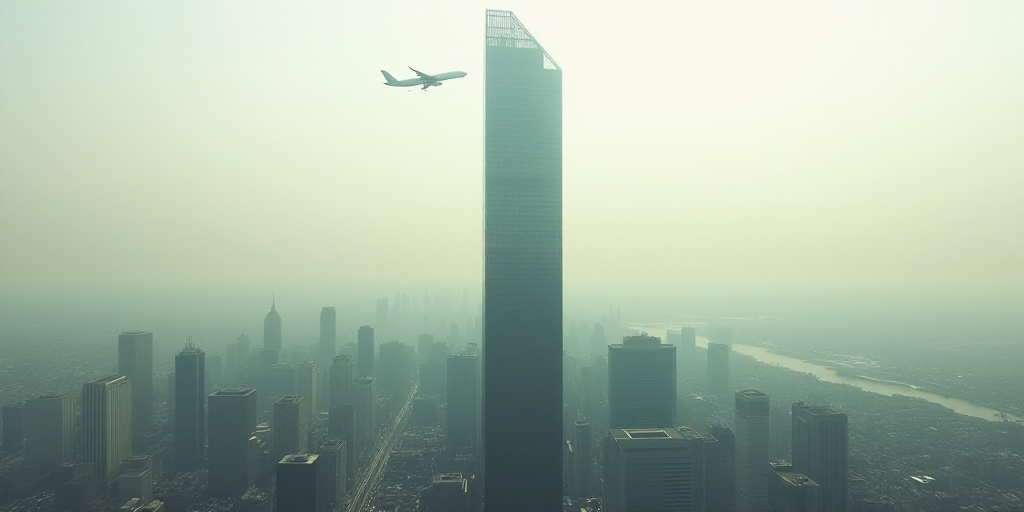
Poor Air Quality Reported in Mexico City and State of Mexico on Christmas 2025
On the early hours of Christmas in 2025, air quality in a significant portion of the Metropolitan Valley of Mexico (ZMVM) was reported as poor, with contaminant levels posing a high health risk to the population, particularly following Nochebuena celebrations on December 24.
According to atmospheric monitoring data released by environmental authorities, several boroughs and municipalities in the Mexico City and State of Mexico regions have contaminant indices exceeding recommended levels for “good air quality.”
Affected Areas in Mexico City
In Mexico City, areas such as Iztapalapa, Tlalpan, Benito Juárez, Azcapotzalco, Gustavo A. Madero, and Venustiano Carranza are among those with poor air quality and a high health risk.
Affected Areas in the State of Mexico
Meanwhile, in the State of Mexico, industrially active and conurbated localities like Tlalnepantla, Nezahualcóyotl, Tultitlán, and Coacalco also displayed concerning contamination levels according to morning reports.
State of Mexico Activates Phase 1 Environmental Contingency
In response to the poor air quality, authorities in the State of Mexico announced the activation of Phase 1 of the environmental contingency in the Toluca Metropolitan Area and Santiago Tianguistenco Metropolitan Area. This phase indicates that air quality is not optimal, and vulnerable groups are advised to stay at home.
This situation adds to a recurring pattern during festive seasons, when factors such as the use of fireworks, vehicular circulation, and unfavorable weather conditions (which hinder the dispersion of pollutants) typically elevate particulate contaminant concentrations, especially PM2.5 and PM10.
General Recommendations
In light of poor air quality conditions like those experienced today in Mexico City and the State of Mexico, environmental and health authorities recommend that the population (especially children, elderly, pregnant women, and individuals with respiratory or cardiovascular conditions) take the following actions:
- Avoid strenuous outdoor activities, particularly during peak sunlight and contaminant concentration hours.
- Reduce outdoor presence and consider staying in well-ventilated, enclosed spaces.
- Keep doors and windows closed during peak pollution times.
- Avoid additional fireworks use or activities that may further increase emissions.
- Vulnerable groups should consult their physician if experiencing respiratory symptoms like coughing, throat or eye irritation, or breathing difficulties.
These measures are crucial during festive nights and periods of thermal inversion, when atmospheric conditions can trap pollutants near the surface and heighten public health risks.
Key Questions and Answers
- What is causing the poor air quality? Unfavorable weather conditions, increased vehicular circulation, and the use of fireworks during festive seasons contribute to elevated particulate contaminant levels, especially PM2.5 and PM10.
- Which areas are most affected? In Mexico City, Iztapalapa, Tlalpan, Benito Juárez, Azcapotzalco, Gustavo A. Madero, and Venustiano Carranza have poor air quality with high health risks. In the State of Mexico, Tlalnepantla, Nezahualcóyotl, Tultitlán, and Coacalco also show concerning contamination levels.
- What actions should vulnerable groups take? Vulnerable groups, including children, elderly, pregnant women, and individuals with respiratory or cardiovascular conditions, should avoid strenuous outdoor activities during peak pollution times, minimize outdoor presence, keep doors and windows closed, avoid additional fireworks use, and consult a physician if experiencing respiratory symptoms.




