
Background and Relevance of Clara Brugada
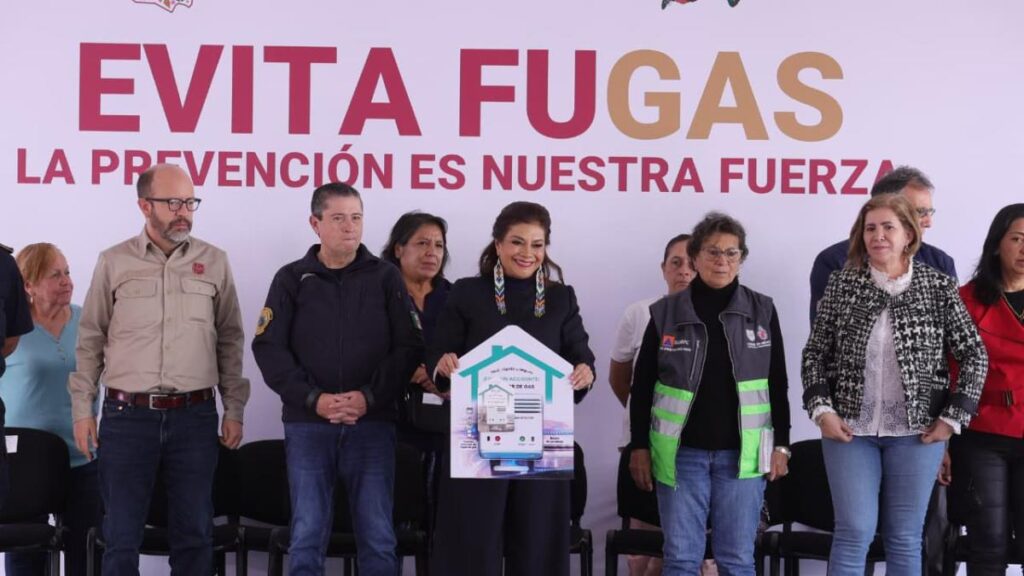
Clara Brugada Molina, the Chief of Government in Mexico City, has taken a significant step towards enhancing public safety by initiating the “El Detector que Salva” (The Saving Detector) program. This initiative aims to distribute 10,000 free electronic devices designed to detect gas leaks, toxic fumes, and low oxygen levels in homes.
Addressing Gas-Related Accidents
Mexico City experiences an average of 4,000 gas-related accidents annually, equating to roughly 11 incidents per day. These accidents often involve leaks or fires, posing a considerable risk to residents.
The “El Detector que Salva” Program
During the event in Coyoacán, Clara Brugada explained that these electronic devices continuously monitor air quality in enclosed spaces, alerting users to potential hazards before they escalate into tragedies. She likened this technology to a seismic warning system, but for gas detection.
Program Origins and Collaboration
The project originated a year ago when the government requested universities to develop affordable gas sensors following an explosion in Paseos de Taxqueña. This incident affected a building’s structure and forced the evacuation of 25 families.
Shared Responsibility for Prevention
Giovani Gutiérrez, the Coyoacán Alcalde, emphasized that prevention is a collective responsibility between the government and society.
Reinforcing Safety Measures
Inti Muñoz Santini, the Secretary of Housing, highlighted the importance of safeguarding lives in residential units, particularly during colder months. He announced that, alongside the detectors, there will be increased surveillance of gas installations in new housing projects, credit schemes, and reconstruction efforts to achieve zero accidents in this area.
Promoting the Family Protection Plan
Myriam Urzúa Venegas, the head of the Integral Risk Management and Civil Protection Secretariat (SGIRPC), underscored the significance of the Family Protection Plan. She distributed 800 copies of this plan to attendees and recommended installing detectors on every floor, preferably in hallways away from kitchens and bathrooms, to ensure their effectiveness.
Community Engagement and Resources
The Mexico City government encourages citizens to contact the emergency hotline 911 for any concerns and to consult virtual classes offered by SGIRPC for preventive training.
Key Questions and Answers
- What is the “El Detector que Salva” program? It’s a safety initiative by Mexico City’s government to distribute 10,000 free electronic devices that detect gas leaks, toxic fumes, and low oxygen levels in homes.
- Why was this program initiated? Following an explosion in Paseos de Taxqueña that displaced 25 families, the government sought affordable gas sensors from universities, leading to this program.
- What are the primary risks addressed by this program? The program targets three main hazards: poisoning, asphyxiation, and fires.
- How many accidents does this program aim to prevent? The initiative seeks to reduce the 4,000 annual gas-related accidents in Mexico City.
- What additional safety measures are being implemented? Alongside detectors, there will be enhanced gas installation surveillance in new housing projects, credit schemes, and reconstruction efforts.




