
Background on the Incident
In a significant operation led by the Fiscalía General de la República (FGR), federal authorities in Querétaro, Mexico, dismantled a suspected clandestine mini-refinery capable of processing up to 400,000 liters of illegal fuel. The raid took place in the La Trinidad community, Tequisquiapan municipality.
Details of the Raid
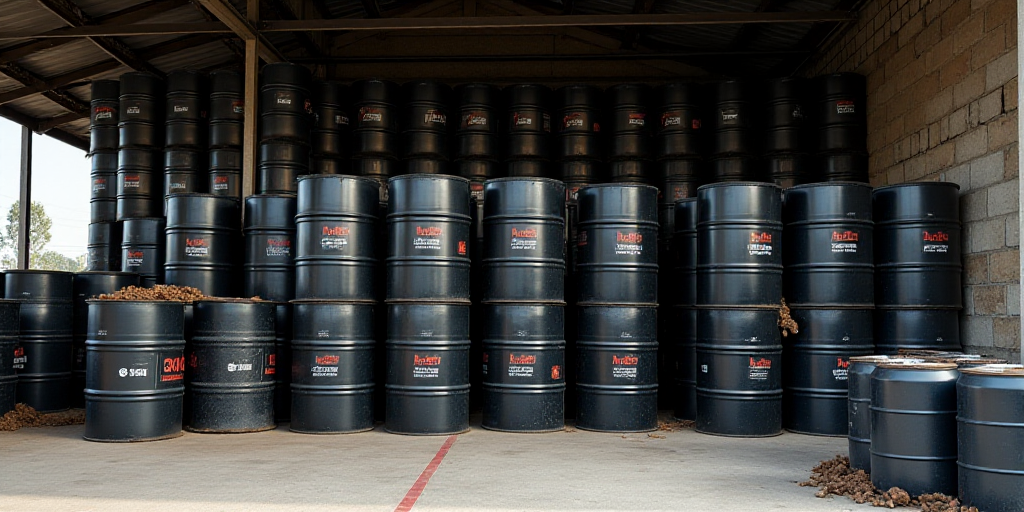
On September 29, federal agencies including the FGR, National Guard (GN), Mexican Army, and local police conducted a search of a property suspected of operating under the guise of a recycling center. The operation was prompted by citizen complaints about a strong gasoline odor in the area.
Under a court order, authorities found:
– 206,750 liters of gasoline
– Four petroleum refining stations
– Eight storage tanks
– An underground cistern
– A container
– One vehicle
– One motorcycle
Inside the facility, authorities discovered a warehouse equipped with makeshift boilers, distribution ducts, dispensing pumps, and tanks filled with gasoline and diesel. This infrastructure facilitated the illegal refining of hydrocarbons, making it one of the largest known hubs for fuel theft in the region.
Previous Decomisos
This operation marks the second significant action in less than four months. In June of this year, a clandestine refinery was uncovered in Coatzacoalcos, Veracruz.
According to Secretary of Security and Citizen Protection, Omar García Harfuch, this earlier refinery produced artisanal diesel, light naphtha, and alternative fuel oil. Moreover, the unauthorized operation posed a risk to local ecosystems due to the lack of environmental and industrial permits.
Key Questions and Answers
- What was the purpose of the raid? Federal authorities aimed to dismantle a suspected clandestine mini-refinery processing up to 400,000 liters of illegal fuel.
- Where did the raid take place? The operation occurred in La Trinidad, Tequisquiapan municipality, Querétaro.
- What was found during the raid? Authorities seized 206,750 liters of gasoline, four refining stations, eight storage tanks, an underground cistern, a container, one vehicle, and one motorcycle. They also discovered makeshift boilers, distribution ducts, dispensing pumps, and tanks filled with gasoline and diesel.
- Why was this operation significant? This clandestine refinery posed a severe threat to local ecosystems due to its unauthorized status and the potential for hydrocarbon spills. It was one of the largest known hubs for fuel theft in the region.
- Were there previous similar operations? Yes, in June of the same year, a clandestine refinery was discovered in Coatzacoalcos, Veracruz. This earlier operation also produced artisanal diesel, light naphtha, and alternative fuel oil without the necessary environmental and industrial permits.




