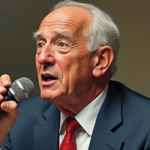
Introduction to Juan Lázaro Kaye López and His Relevance
Juan Lázaro Kaye López, the president of the Mexican Association of Urbanists (AMU), emphasizes the urgent need for metropolitan institutions to manage essential services and implement long-term regional policies. His expertise in urban planning positions him as a key figure in addressing Mexico’s urban development challenges.
The Consequences of Inadequate Urban Planning in Mexico
Mexico faces severe consequences due to insufficient urban planning, leading to irregular settlements and haphazard growth. Kaye López highlights the case of Los Cabos, where population growth tripled over four decades while urban expansion lagged significantly.
The irregular growth patterns and natural disasters caused by hydro-meteorological phenomena in recent years demonstrate that Mexico, as a nation, has yet to learn from its urban development mistakes. Municipalities frequently experience floods, landslides, and other disasters, leaving numerous families displaced without updated risk assessments.
The Need for Enforceable Urban Planning
Kaye López stresses the importance of enforcing existing urban development plans, as current legislation lacks consequences for non-compliance. He argues that plans should not be “dead letters” but rather actively implemented.
Metropolitan Institutions for Better Living Spaces
Kaye López proposes the creation of metropolitan institutions to manage crucial services such as water supply, housing construction, environmental protection, and mobility. These institutions should implement regional policies with medium- and long-term perspectives, rather than allowing individual municipalities to act independently.
Mexico’s Urban Challenges and Participatory Urbanism
According to INEGI data, 61% of the urban population living in poverty resides in irregular settlements with limited or no access to services. Mexico has 17,770 irregular human settlements, with 99% located in high-risk areas.
Kaye López emphasizes that participatory urbanism offers a practical approach to reverse structural exclusion faced by vulnerable Mexican families exposed to extreme weather events.
The International Congress on Participatory and Resilient Urbanism
The AMU, in collaboration with the UNAM Faculty of Architecture, the National Academy of Architects, and other organizations, is hosting the First International Congress on Participatory and Resilient Urbanism from November 6-8 in Guanajuato.
The congress aims to discuss urban development challenges, including participatory planning, territorial justice, and urban resilience. Notable participants include representatives from ONU-Habitat, BID, WRI Mexico, ARCADIS, university researchers, local government officials, and over 100 experts.
Key Questions and Answers
- What is the main issue discussed? The inadequate urban planning in Mexico and the need for metropolitan institutions to manage essential services and implement long-term regional policies.
- Who is Juan Lázaro Kaye López? He is the president of the Mexican Association of Urbanists (AMU), an expert in urban planning advocating for better living spaces through participatory and resilient urbanism.
- What are the consequences of insufficient urban planning? Irregular settlements, haphazard growth, natural disasters, and lack of access to essential services for vulnerable populations.
- What are metropolitan institutions proposed by Kaye López? Institutions responsible for managing water supply, housing construction, environmental protection, and mobility, implementing regional policies with medium- and long-term perspectives.
- What is the purpose of the International Congress on Participatory and Resilient Urbanism? To discuss urban development challenges, including participatory planning, territorial justice, and urban resilience.