Background on Martí Batres and ISSSTE
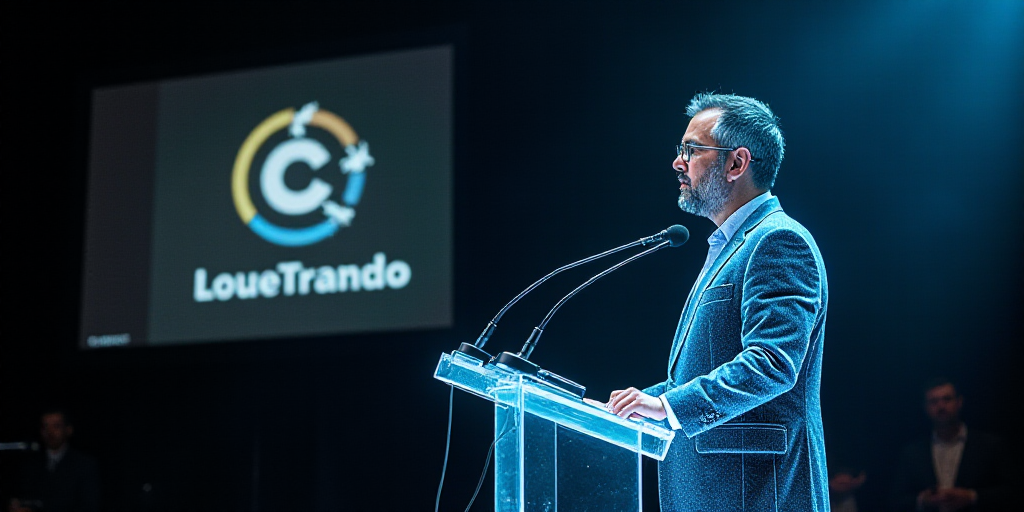
Martí Batres Guadarrama, the director general of the Instituto de Seguridad y Servicios Sociales de los Trabajadores del Estado (ISSSTE), presented the progress and achievements of the first year under the Second Piso of Mexico’s Fourth Transformation to the Commission of Health in the LXVI Legislature of the Chamber of Deputies. This transformation aims to reverse over three decades (1982-2018) of neoliberal policies that weakened the ISSSTE.
Key Focus Areas in ISSSTE Reconstruction
Batres emphasized that the reconstruction of ISSSTE centers on derechohabiencia (right to social security) and public health as a right, not a private business. He outlined several key areas of progress:
- Expansion of healthcare infrastructure
- Strengthening primary care services
- Nationalization of services
- Technological and scientific modernization
- Labor improvements
- Medicine supply enhancement
- Recovery of FOVISSSTE, SuperISSSTE, and other social services
- Resource management
- Implementation of the Dignified Treatment strategy
Hospital General de Tláhuac Acquisition Process
Batres explained that ISSSTE is working to finalize the contract with the private company managing the Hospital General de Tláhuac through an Associate Public-Private Partnership (APP). The company has not agreed to a purchase agreement after a year of negotiations. Batres highlighted the illogicality of paying the company 37,000 million pesos over 23 years for a hospital that could be built for 3,500 million pesos with advanced technology in Oaxaca.
Reclaimed Hospitals and Future Projects
ISSSTE has reacquired control of three hospitals previously under APP: the General Hospital “Dr. Daniel Gurría Urgell” in Villahermosa, Tabasco; the Hospital “Dr. Aquiles Calles Ramírez, La Cantera” in Tepic, Nayarit; and the Clinic Hospital Mérida in Susulá, Yucatán. Batres announced plans to construct at least five new hospitals or clinics in Sonora, Chihuahua, Tlaxcala, the Purépecha meseta in Michoacán, and reconstruct the Hospital General “Dr. Darío Fernández Fierro” in Mexico City.
Achievements and Results
Batres detailed the accomplishments in the first year of his tenure, including:
- Inauguration of the Family Medicine Clinic with Specialties (CMFE) in Pachuca, Hidalgo
- Hospital Regional of High Specialty (HRAE) openings in Torreón, Coahuila; Tlajomulco, Jalisco; and Acapulco, Guerrero
- Commencement of HRAE construction in Oaxaca
- Implementation of “La Clínica es Nuestra” program, attending 562 primary care units with 2,473 medical equipment and 2,430 improvement projects
- Acquisition of a linear accelerator for the “Centenario de la Revolución Mexicana” Regional Hospital in Morelos and six Da Vinci robots for advanced oncological, gynecological, and urological surgeries
- Improved medicine supply through the National Distribution Center (CENADI) managed by Laboratorios de Biológicos y Reactivos de México (Birmex), currently holding 47.168 million medicine units
- Nacionalization of imagenology, hemodinamics, and anesthesia services; initiation of endoscopy nacionalization
- Upgrading 26,793 nurses, 1,202 social workers, 22,722 administrative staff, 456 therapists and physical activators; extending working hours for 20,917 healthcare workers from six to eight hours
- Restoration of Centro Recreativo y Cultural ISSSTEHuixtla and CUPA swimming pool; elimination of bienestar and development infantil (EBDI) rehabilitation in six entities
- FOVISSSTE benefited from debt relief programs for 400,000 accredited individuals
- Reduction of excessive pensions through administrative procedures, saving 78 million pesos
- Recovery of 27 physical spaces in hospitals, office buildings, and funerary services previously managed by a private foundation
Conclusion
Martí Batres concluded that the ISSSTE reconstruction aims to strengthen public healthcare as a right and ensure its sustainability for the benefit of workers. By focusing on derechohabiencia, modernization, and resource management, ISSSTE continues to make significant progress in fulfilling its mission.