
Quintana Roo Strengthens Detection of Chemical, Radiological, Biological, Nuclear, and Explosive Risks
Quintana Roo, a key host location for the 2026 FIFA World Cup, has bolstered its capabilities in identifying and managing chemical, radiological, biological, nuclear, and explosive risks. This effort is part of its commitment to ensuring a secure environment for the global sporting event.
Participants from World Cup Host Cities
- Elements from host cities, including the State of Mexico, Puebla, Veracruz, Jalisco, Morelos, Mexico City, and Quintana Roo, took part in the training.
Training Led by Governor Mara Lezama
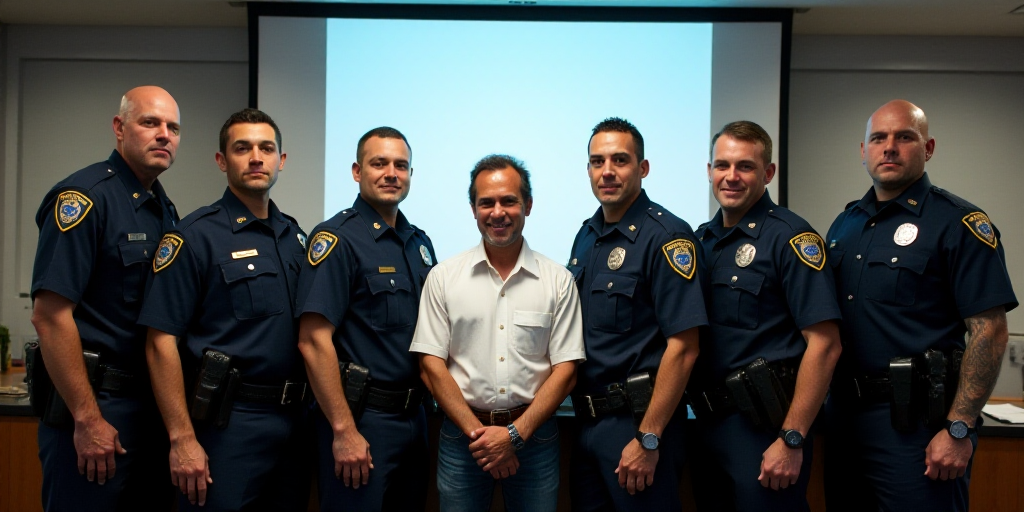
At the closure of the specialized training in identifying non-conventional threats (QRBNE) at C5 Complex in Cancún, Governor Mara Lezama emphasized the significance of this training. The event took place in collaboration with the federal government, President Claudia Sheinbaum, and the Secretary of Urban Security and Protection, Omar García Harfuch, along with the military forces.
Training Objectives and Importance
The training aimed to enhance institutional capabilities in detecting and addressing chemical, radiological, biological, nuclear, and explosive risks. This ensures optimal security conditions before, during, and after the world-class football tournament.
As Cancún will serve as the international airport for the World Cup, with daily flights connecting it to all 16 host cities where matches will be held, the training is crucial for managing security and ensuring a safe environment for attendees.
Integration with State Security Plan
This training is part of Quintana Roo’s commitments as the entry point for the 2026 World Cup. It aligns with the Kukulkán Plan and the State Interinstitutional Security Strategy, which are vital for safeguarding citizens and visitors.
The Secretariat of Urban Security, under Governor Mara Lezama’s leadership, organized the training with specialized instruction from the federal government’s Secretariat of Urban Security and Protection. The Comité Especializado de Alto Nivel en materia de Desarme, Terrorismo y Seguridad Internacional (CANDESTI) also participated.
Importance of Intergovernmental Coordination
During the closure ceremony, the importance of coordination among various governmental levels and federal entities was highlighted. This collaboration is essential for anticipating risks and establishing a secure environment fitting Mexico’s international prominence during the 2026 FIFA World Cup.
Key Questions and Answers
- What is the purpose of this specialized training? The training aims to strengthen institutional capabilities in identifying and managing chemical, radiological, biological, nuclear, and explosive risks to ensure optimal security during the 2026 FIFA World Cup.
- Which cities’ elements participated in the training? Participants included elements from host cities such as the State of Mexico, Puebla, Veracruz, Jalisco, Morelos, Mexico City, and Quintana Roo.
- Why is Cancún’s international airport crucial for the World Cup? As the only airport with daily flights connecting to all 16 host cities, Cancún’s international airport will serve as the main entry point for attendees, making security management vital.
- What role does intergovernmental coordination play in the World Cup security? Effective collaboration among different government levels and federal entities is essential for anticipating risks and ensuring a secure environment for the internationally significant event.




