
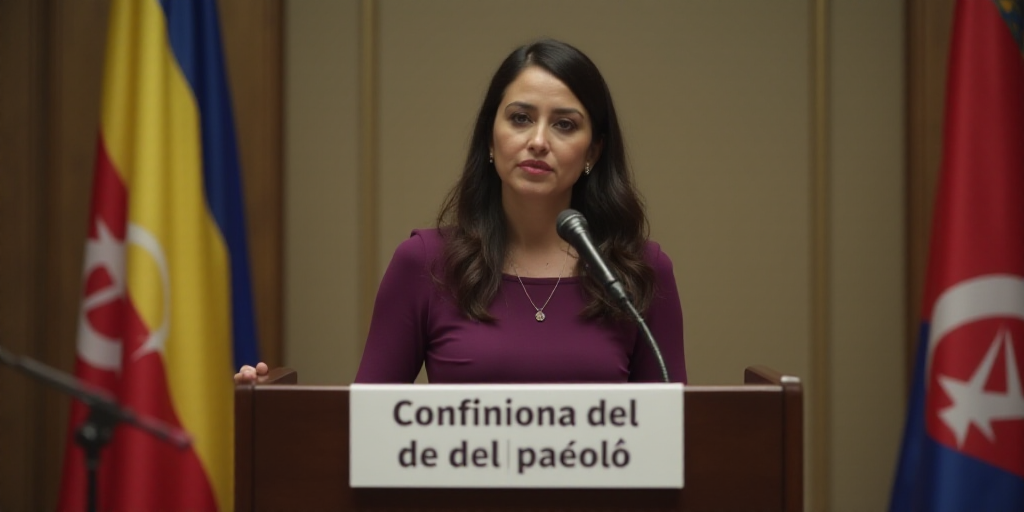
Background on Claudia Sheinbaum and Her Relevance
Claudia Sheinbaum, the President of Mexico, has taken a significant stance regarding the United States’ decision to classify fentanyl as a weapon of mass destruction. As the head of Mexico’s federal government, her perspective holds considerable weight in shaping both legal and political responses to this development.
U.S. Decision and Mexico’s Response
On Tuesday, Sheinbaum declared that the Mexican federal government will thoroughly examine the legal and political implications of the U.S. decision to categorize fentanyl as a weapon of mass destruction. The U.S. announcement includes two components: one that must be enacted as law and another via executive decree. Consequently, the Mexican administration is meticulously reviewing its scope and consequences.
Mexico’s Stance on Drug-Related Issues
Sheinbaum emphasized that while pursuing criminal activities and associated violence related to drug trafficking is essential, it’s insufficient without addressing the underlying factors driving drug consumption. She warned that neglecting these root causes could lead to increased use of fentanyl or other drugs, linking the issue to mental health, social disconnection, lack of opportunities for youth, family matters, education, and values.
Medical Use of Fentanyl
The President also highlighted the potential implications of this classification for the legal medical use of fentanyl as an anesthetic. She stressed the need to clearly distinguish between its clinical use and illicit trafficking.
U.S. Military Intervention and Sovereignty
When questioned about the possibility of U.S. military intervention in Mexico due to this decision, Sheinbaum firmly stated that “sovereignty and territorial integrity are not up for discussion under any circumstances.”
National Survey on Drug Consumption
Sheinbaum Pardo previewed that the following week, results from a national drug consumption survey conducted by the National Public Health Institute will be unveiled. This survey is part of an integrated strategy to tackle the issue from a public health perspective.
U.S. Decision Details
On December 15, the U.S. government, through an executive order, designated illicit fentanyl and its primary chemical precursors as Weapons of Mass Destruction (WMD). The U.S. administration deemed its production, trafficking, and potential use a direct threat to national security.
The order specified that only 2 milligrams of fentanyl—equivalent to 10-15 grains of salt—constitute a lethal dose. It attributed hundreds of thousands of overdose deaths in the U.S. to this drug, linking its manufacture and distribution to organized criminal networks involved in armed violence, terrorism financing, and territorial disputes.
Key Questions and Answers
- What is the U.S. decision regarding fentanyl? The United States has classified illicit fentanyl and its primary chemical precursors as Weapons of Mass Destruction (WMD).
- Why did the U.S. make this decision? The U.S. administration considers fentanyl production, trafficking, and potential use a direct threat to national security due to its lethality (2mg being fatal) and links to organized crime involvement in violence, terrorism financing, and territorial conflicts.
- What is Mexico’s response to this U.S. decision? Mexico’s President Claudia Sheinbaum has stated that the federal government will thoroughly review the legal and political implications of this decision.
- What are the concerns regarding medical use of fentanyl? Mexico is concerned about distinguishing between the legal medical use of fentanyl as an anesthetic and its illicit trafficking.
- Will this U.S. decision lead to military intervention in Mexico? According to Sheinbaum, sovereignty and territorial integrity are not up for discussion.




