
Background and Key Players
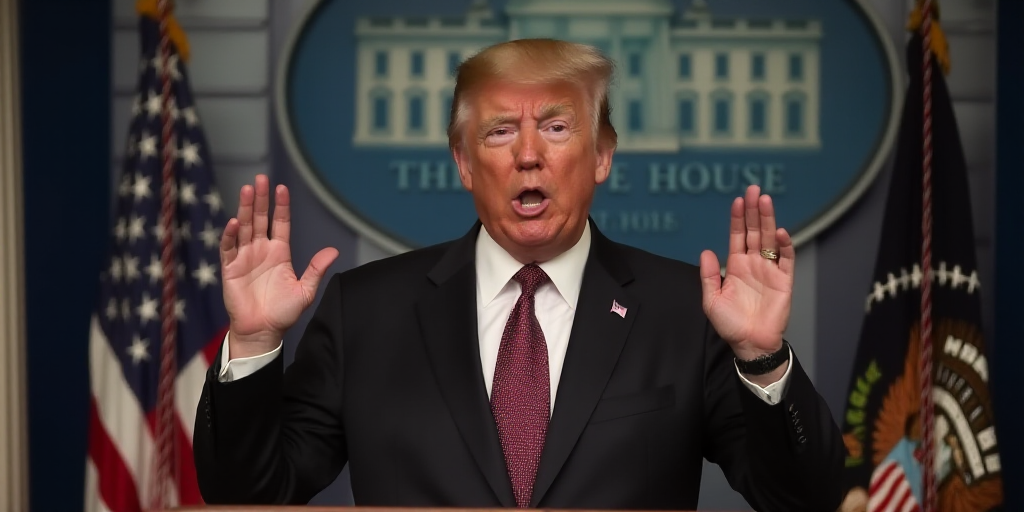
Victor Hernandez, director of the Instituto Latinoamericano de Estudios Estratégicos (Latin American Institute for Strategic Studies), highlighted that Mexico’s recent transfer of 37 prisoners to the United States is a direct response to increasing pressure from the Trump administration. This move, however, lacks legal grounding within Mexico’s legal framework.
Legal Perspective
Hernandez explained that the only comparable legal action for sending these individuals would be administrative expulsion, a power held by the Instituto Nacional de Migración (National Institute of Migration), applicable only to foreigners. He emphasized that even Mexican nationals committing serious crimes cannot be stripped of their nationality or expelled from the country, as it’s a constitutionally protected right tied to their identity.
Reduced Criminal Relevance
Hernandez pointed out that unlike previous transfers in 2025, which included high-impact profiles, the recent batch consists of individuals with lesser criminal significance. This, he said, diminishes their political and strategic value for US authorities.
Expert Opinions
Lisa Sánchez, director general of Mexico Unido Contra la Delincuencia (MUCD), noted that during the last conversation between US Secretary of State Marco Rubio and Mexican Foreign Minister Juan Ramón de la Fuente, it became clear that any incremental security advancement was unacceptable to the US government. This compelled Mexico to respond by delivering individuals outside traditional extradition mechanisms.
Sánchez acknowledged that while these individuals aren’t major cartel leaders, sending 37 for US interrogation and to continue their legal processes carries symbolic weight, especially in the context of bilateral cooperation narratives.
Uncertainty and Limitations
Sánchez cautioned that it’s impossible to guarantee these actions will suffice in containing Washington’s pressures due to Trump’s unpredictability and the high level of uncertainty surrounding his actions.
Regarding the possibility of Mexico handing over politically linked crime suspects, Sánchez ruled it out in the short term. She stated that there are currently no open judicial processes making such a mechanism viable.
Expected Outcomes
Vicente Sánchez, an investigator at the Sistema Nacional de Investigadoras e Investigadores (National System of Researchers and Researchers), believes that beyond prisoner transfers, the Mexican government should demonstrate tangible results in regaining territorial control in regions where organized crime has displaced local authorities.
He suggested that an effective strategy would involve not just capturing criminal actors but also dismantling political-criminal alliances in those territories, sending a more robust message within the framework of bilateral security cooperation.
Key Questions and Answers
- What is the main reason behind Mexico’s recent prisoner transfer to the US? It is a direct response to increasing pressure from the Trump administration.
- Is this transfer legally sound within Mexico’s legal framework? No, it lacks legal grounding as there is no provision for expelling Mexican nationals from the country.
- Why are the prisoners being transferred now considered of lesser criminal relevance? This diminishes their political and strategic value for US authorities.
- What is the symbolic significance of this mass transfer? It demonstrates cooperation between the two nations and allows the US to interrogate and pursue legal processes against these individuals.
- Can these actions effectively contain US pressures? Given Trump’s unpredictability, it’s uncertain if these actions will suffice.
- Is there a possibility of Mexico handing over politically linked crime suspects? This is unlikely in the short term due to the absence of open judicial processes.
- What tangible results should Mexico show to address US concerns about territorial control? Demonstrating regained control and dismantling political-criminal alliances in affected regions would be more impactful.




