
Introduction
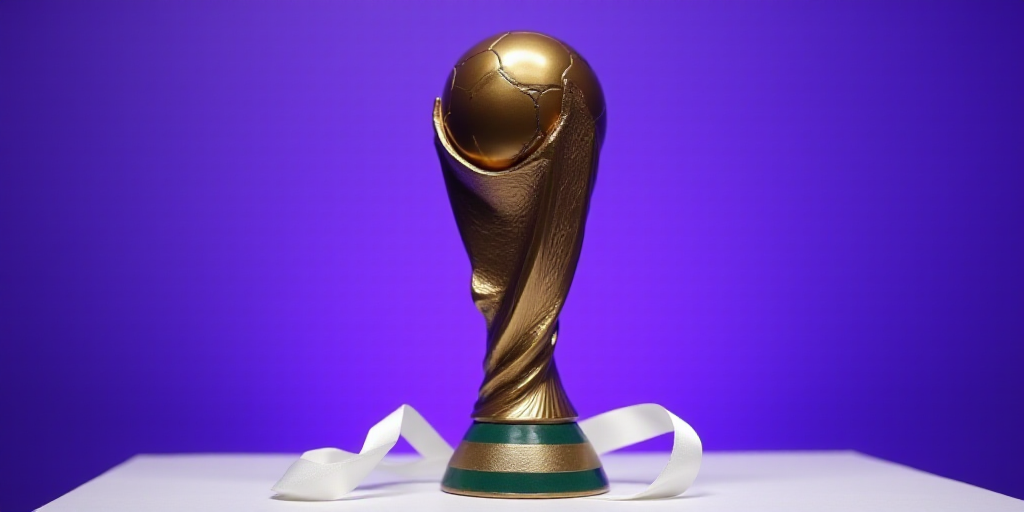
As Mexico enters 2026, preparations for the FIFA World Cup are in full swing. This global event is expected to significantly impact tourism, urban development, and economic growth in the country.
Economic Impact and Estimates
The Mexican federal government anticipates a substantial economic boost, with estimates ranging from $1.8 billion to $3 billion USD. Additionally, the World Cup could potentially contribute up to 0.5 percentage points to the GDP growth, according to economic consultants.
- Tournaments for girls, boys, young players, and individuals with disabilities
- Public spaces for watching matches
Cultural and Family Activations
The President plans to donate the first ticket of the World Cup to a girl or young woman, promoting female participation in football.
Sustainability and Urban Legacy
Companies like JLL, Steer, and Gensler highlight that the World Cup will act as a catalyst for more connected and sustainable cities. FIFA mandates stricter environmental standards, such as:
- LEED Silver certification for stadiums
- Water and energy conservation
- Integrated waste management and circular economy
- Promotion of low-emission public transportation
Moreover, the venues are designed as “legacy spaces,” ensuring that infrastructure remains useful post-tournament. This includes the introduction of sensory rooms in Mexican stadiums for neurodivergent individuals.
Challenges and Opportunities
Despite the global visibility favoring sectors like gastronomy, crafts, hospitality, and entertainment, analysts from Banco Base caution that the impact might be moderate due to the number and type of matches in Mexico.
They also foresee temporary price pressures by mid-2026 due to high demand in host cities. However, organizations like CEPAL believe the World Cup will serve as a catalyst for consumption and tourism income, crucial for an economy aiming to accelerate following the 2025 slowdown.
Key Questions and Answers
- What is the expected economic impact of the 2026 World Cup in Mexico? The federal government estimates a $1.8 billion to $3 billion USD economic boost, with potential GDP growth of up to 0.5 percentage points.
- How is Mexico ensuring sustainability during the World Cup? The country is adhering to FIFA’s stricter environmental standards, including LEED Silver certification for stadiums, water and energy conservation, integrated waste management, promotion of low-emission public transportation, and designing venues as “legacy spaces” with continued utility post-tournament.
- What social initiatives are being implemented for the World Cup in Mexico? Tournaments for girls, boys, young players, and individuals with disabilities are being organized. Public spaces for watching matches will also be available, along with cultural and family activations like the President donating the first World Cup ticket to a girl or young woman.
- What challenges does Mexico face in maximizing the benefits of hosting the World Cup? Analysts like Banco Base suggest that the impact might be moderate due to the number and type of matches. Temporary price pressures are also expected in host cities by mid-2026.




