
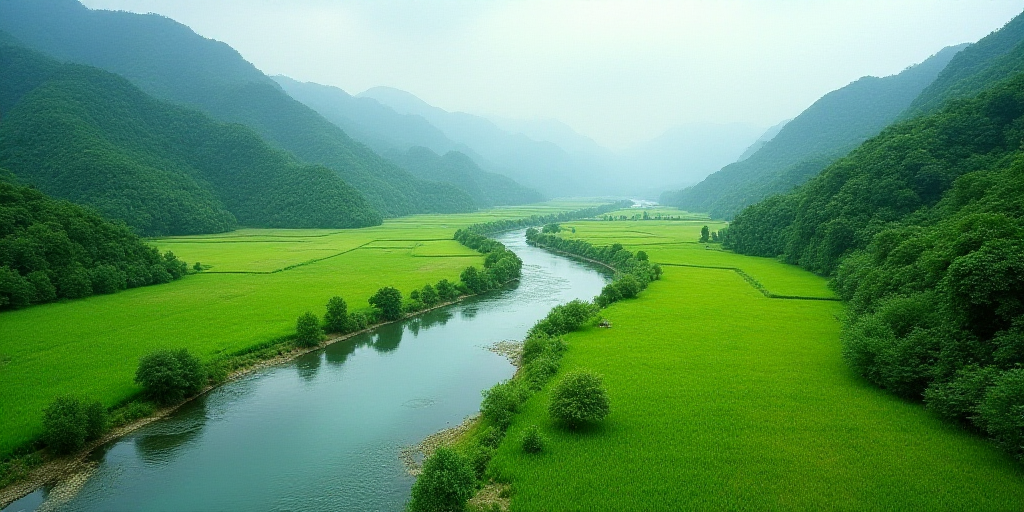
Background and Significance of Pátzcuaro Lake
Pátzcuaro Lake, located in Michoacán, Mexico, has been a vital resource for the region’s ecosystem and local communities. However, years of drought and environmental degradation led to the lake’s decline, prompting urgent conservation efforts.
Multidisciplinary Approach and Community Involvement
Under the leadership of the Michoacán Government, a comprehensive strategy was implemented to rescue Pátzcuaro Lake. This approach involved multiple disciplines and active collaboration with indigenous communities surrounding the lake’s watershed.
Key Actions and Achievements
- Combatting Water Theft: Authorities tackled illegal water extraction, ensuring a more equitable distribution of this precious resource.
- Rehabilitation of Springs: Efforts were made to restore 50+ springs, which are crucial for maintaining the lake’s water levels.
- Satellite Monitoring System: The Guardián Forestal satellite system was employed to detect illegal water takeovers and enforce responsible resource management.
- Community Engagement: Local communities participated actively in the restoration process, fostering a sense of ownership and responsibility.
Employment, Water Sources, and Canal Cleaning
The conservation initiative generated over 2,000 temporary jobs to address 56 sites, freed 89 water sources, and maintained 10 navigation canals. By 2025, more than 50 springs had resurfaced, with the discovery of five additional ones.
Restoration Efforts
- Desmalezado: 30,000 square meters were cleared of vegetation.
- Dragado: 5,000 cubic meters of sediment were removed.
- Vegetation Removal: Invasive plant species were eliminated.
- Fish Release: Over 130,000 white fish and accúmara were released back into the lake.
Impact on Lake’s Health and Tourism
These restoration efforts led to the removal of more than 41,000 cubic meters of azolve. In 2025 alone, 96,700 cubic meters were extracted, significantly improving the lake’s health.
The revitalization of Pátzcuaro Lake spurred canoeing activities and tourism, including the famous Day of the Dead celebration.
Future Plans and Investments
The Michoacán Government aims to plant 10 million trees across the state, with 1.5 million dedicated to the lake’s watershed. Additionally, investments of 30 million pesos have been allocated for temporary employment programs and 147 million pesos for modernizing wastewater treatment plants.
These efforts have positioned Michoacán as a national leader in protecting strategic ecosystems.
Key Questions and Answers
- What is Pátzcuaro Lake? Pátzcuaro Lake is a significant water body in Michoacán, Mexico, crucial for the region’s ecosystem and local communities.
- Why was conservation necessary? Years of drought and environmental degradation led to the lake’s decline, necessitating urgent conservation efforts.
- What strategies were employed for lake recovery? A multidisciplinary approach involving combating water theft, rehabilitating springs, and using satellite monitoring systems was implemented.
- How did local communities contribute to the recovery? Indigenous communities actively participated in restoration efforts, fostering a sense of ownership and responsibility.
- What were the key achievements of the recovery project? Over 50 springs were restored, more than 41,000 cubic meters of azolve were removed, and canoeing activities and tourism were revived.
- What future plans does the Michoacán Government have for the region? The government aims to plant 10 million trees, with a focus on the lake’s watershed, and invest in wastewater treatment plant modernization.




