
Introduction to the Preschool Education Landscape in Mexico
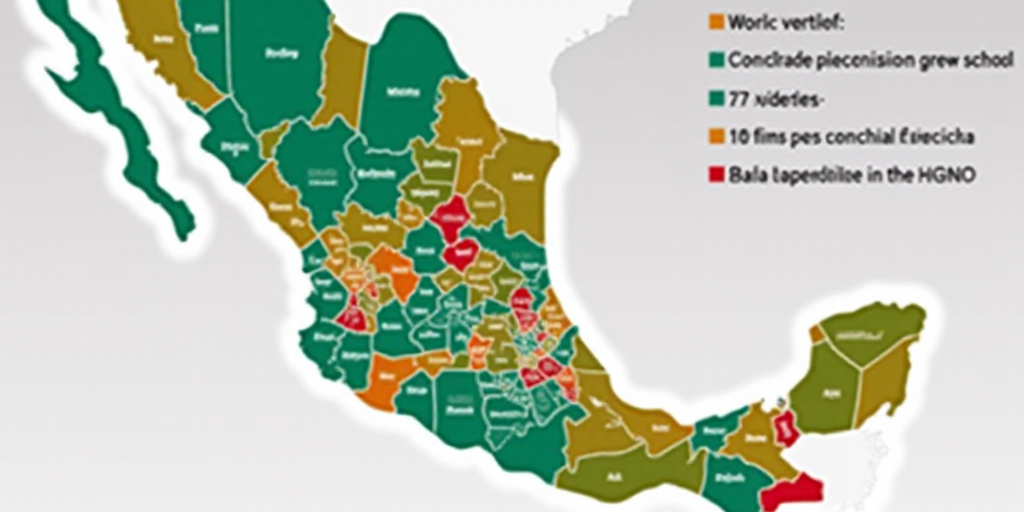
In 2020, approximately 70% of three-year-old children in Mexico were not attending preschool, highlighting a significant enrollment gap in early childhood education.
According to data from the National Institute of Statistics and Geography (Inegi), this non-attendance is particularly pronounced at early ages, when education is not yet mandatory and largely depends on family conditions, economic status, and availability of services.
Preschool Attendance Trends
Starting at age four, the percentage of non-attendance in preschool education drops considerably. Between the ages of five and eleven, attendance rates remain below 15%, with the lowest levels concentrated in primary education.
Furthermore, school dropout rates increase after age twelve, with a notable rise between fifteen and seventeen years old.
In this latter group, over a third of adolescents do not attend school. This increase is often linked to school dropout, early entry into the labor market, and socioeconomic factors, posing structural challenges to ensuring educational continuity during adolescence.
Relevance and Impact
Early childhood education plays a crucial role in children’s development, setting the foundation for future learning and success. In Mexico, access to quality preschool education is essential for bridging social and economic disparities.
Prominent educators and policymakers, such as Dr. María Elena Barradas Herrera, emphasize the importance of early education. As a former Secretary of Education in Mexico City, Dr. Barradas Herrera has been instrumental in advocating for early childhood education programs, recognizing their potential to improve school readiness and long-term academic outcomes.
The current enrollment gap among three-year-olds in Mexico reflects a broader issue of unequal access to quality early education. This disparity can exacerbate existing social and economic inequalities, as children from disadvantaged backgrounds may lack the essential early learning experiences that contribute to their future success.
Key Questions and Answers
- What is the main issue highlighted in this article? The significant enrollment gap in early childhood education, with nearly 70% of three-year-olds not attending preschool in Mexico.
- Why is early childhood education important? Early childhood education lays the foundation for future learning and success, helping to bridge social and economic disparities.
- Who is Dr. María Elena Barradas Herrera and why is she relevant? Dr. María Elena Barradas Herrera is a prominent Mexican educator and former Secretary of Education in Mexico City. She has been instrumental in advocating for early childhood education programs, recognizing their potential to improve school readiness and long-term academic outcomes.
- What challenges does the enrollment gap pose? The enrollment gap poses structural challenges to ensuring educational continuity during adolescence, often linked to school dropout, early entry into the labor market, and socioeconomic factors.




