
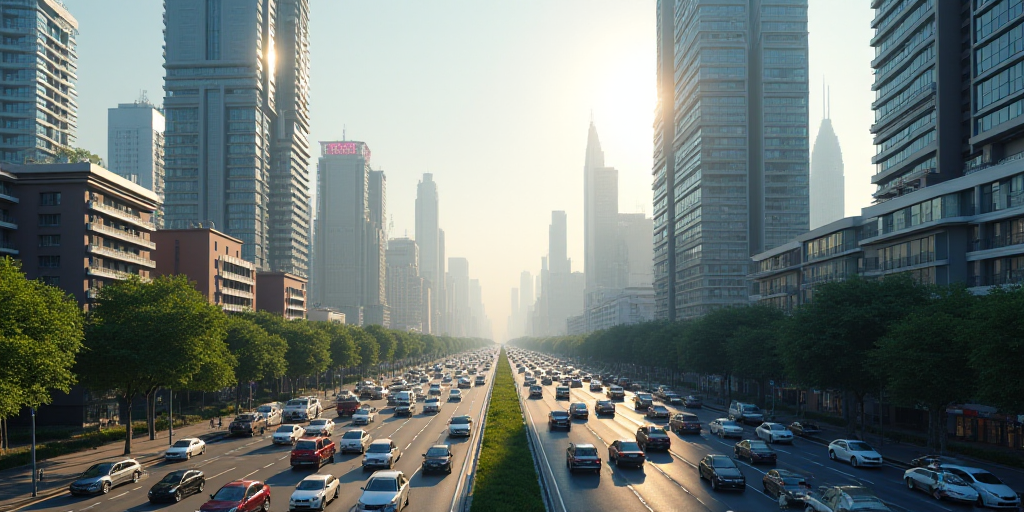
Introduction to the Real Estate Trend in Mexico City’s West Side
The real estate sector in Mexico City’s west side has witnessed a new trend, with areas like Santa Fe attracting a distinct type of homebuyer: globally mobile professionals with foreign income. These buyers are not just looking for a place to live but see their properties as valuable assets, according to an analysis by Desarrolladora del Parque (DDP).
Profile of the New Homebuyers
These buyers include international business executives, digital nomads, Mexicans earning in dollars, and expatriates with high labor mobility. They view their properties as more than just living spaces; they are seen as financial assets with potential for appreciation and convenience for dynamic lifestyles.
Attractive Corridors for Global Buyers
Neighborhoods such as Santa Fe, Bosques de las Lomas, Interlomas, and Lomas del Chamizal have become attractive to these buyers due to their integration of corporate entities, developing road infrastructure, private hospitals, schools, and a growing vertical residential offering with amenities.
Investment Opportunities and Stable Returns
According to DDP’s specialist, Angélica Soria, these buyers combine labor mobility with stable income and a more financial approach to the real estate market. They view housing as an asset with potential for appreciation and convenience for their dynamic lifestyles.
Under conservative scenarios, real estate analysts estimate that well-located apartments in these corridors can generate between 5% and 9% annual capital gains. This performance is attributed to price stability, demand from corporate profiles, and a growing base of investor-oriented buyers.
Developer Opportunities and Innovation
The appeal of the westside corridor also lies in its urban consolidation and proximity to corporate centers. For those looking to safeguard their capital, these areas offer competitive markets compared to other high-mobility professional cities.
DDP’s expert, Soria, emphasizes the need for caution when interpreting this trend. Although DDP has observed an increase in demand from these buyers, there is no public statistic quantifying the number of residents operating with dollar-based income or the true weight of this segment in total transactions.
Key Questions and Answers
- Who are these new homebuyers? They are globally mobile professionals with foreign income, including international business executives, digital nomads, Mexicans earning in dollars, and expatriates with high labor mobility.
- Why are they attracted to Santa Fe and similar areas? These neighborhoods offer a blend of corporate integration, developing infrastructure, private hospitals and schools, and growing vertical residential options with amenities.
- What are the potential returns for these investments? Under conservative scenarios, well-located apartments in these corridors can generate between 5% and 9% annual capital gains due to price stability, demand from corporate profiles, and a growing base of investor-oriented buyers.
- What should potential investors consider? Investors should evaluate risks related to liquidity, maintenance, rental demand, and economic fluctuations. The focus should be on balancing returns, flexibility, and quality of life rather than just square footage.




