
Who is this guide for?
This guide is designed to help homeowners assess the safety and integrity of their living spaces following an earthquake. It provides essential steps to ensure your home remains secure and functional.
Why is it important?
Earthquakes can cause significant damage to homes, often unnoticed at first glance. By following these steps, you can identify potential hazards and take necessary actions to protect yourself and your family.
Who is Elena Santiago?
Elena Santiago is a renowned structural engineer and seismologist with over 20 years of experience in earthquake-resistant design and building inspection. Her expertise makes her an ideal guide for homeowners seeking to understand the impact of earthquakes on their properties.
Key Steps to Inspect Your Home
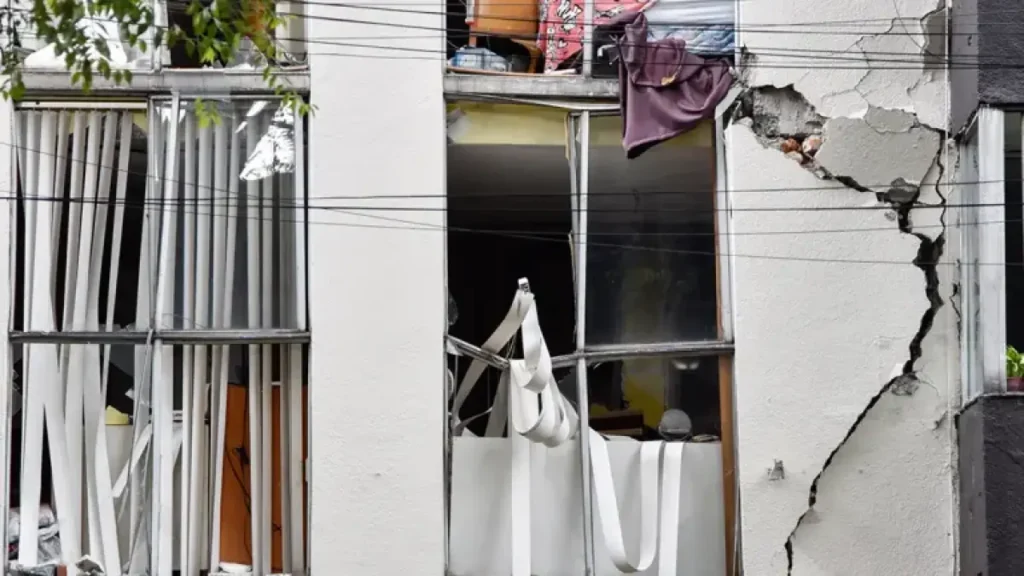
- Visual Inspection: Begin by examining your home’s exterior for any visible damage, such as cracks in walls, unevenness in floors or foundations, and leaning chimneys.
- Utility Checks: Inspect gas, water, and electrical systems for any leaks or malfunctions. Turn off the main gas valve if you suspect a leak and contact a professional immediately.
- Appliance Assessment: Ensure all appliances are functioning correctly and have not been displaced or damaged. Be cautious of gas-powered appliances due to potential leak risks.
- Structural Integrity: Look for signs of structural damage, such as sagging roofs, bowed walls, or separated garage doors from walls. If you notice any of these signs, consult a structural engineer.
Key Questions and Answers
- Q: What should I do if I find visible damage?
A: Document the damage with photographs and contact a professional, such as a structural engineer or contractor, to assess the extent of the damage and recommend necessary repairs.
- Q: How can I check for gas leaks?
A: Look for the distinct smell of sulfur or hear hissing sounds near gas lines. If you suspect a leak, turn off the main gas valve immediately and contact your gas company or a professional.
- Q: What should I do if my appliances seem damaged?
A: Avoid using any appliance that shows signs of damage. If it’s a gas-powered appliance, be extra cautious due to potential leak risks. Contact a professional for inspection and repair.
- Q: How do I know if my home’s structure is compromised?
A: Look for signs such as sagging roofs, bowed walls, or separated garage doors from walls. If you notice any of these signs, consult a structural engineer for a thorough assessment.
Additional Context and Information
Elena Santiago emphasizes the importance of being proactive in inspecting your home after an earthquake. “Homeowners should never underestimate the potential hidden damage caused by seismic activity,” she says. “Taking these steps not only ensures your safety but also helps prevent further damage and costly repairs down the line.”
Remember, your safety is paramount. If you feel uncertain about any aspect of the inspection or repair process, always consult a professional with expertise in earthquake-resistant design and building inspection.




