
Background on the Shutdown and Key Players
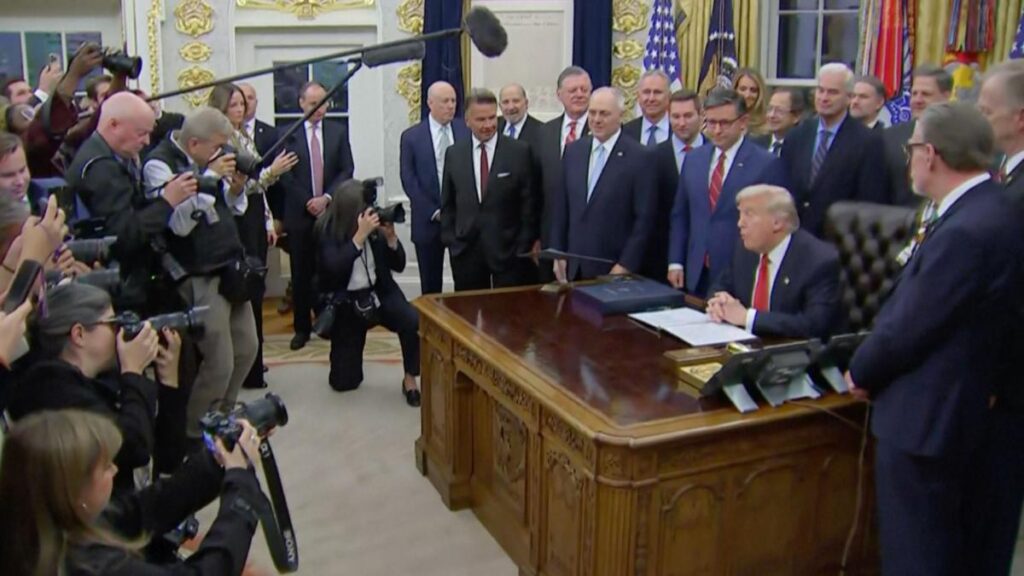
On Wednesday, President Donald Trump signed a bill that brought an end to the longest government shutdown in U.S. history, which lasted 43 days. The political standoff between Republicans and Democrats had created significant hardship for federal employees and contractors, as well as for citizens affected by the closure of government services.
Who is Donald Trump?
Donald John Trump is the 45th and current president of the United States, serving since January 2017. A prominent businessman and television personality before entering politics, Trump’s presidency has been marked by controversial policies and decisions. His leadership style and political stances have often polarized the nation.
Why is this shutdown significant?
This shutdown, which began on December 22, 2018, and ended on January 25, 2019, is the longest in U.S. history, surpassing a previous record of 21 days in 1995-1996. The prolonged closure affected nearly 800,000 federal workers and left many without pay or facing financial difficulties. Additionally, essential services were disrupted, impacting citizens and businesses across the country.
Key Events Leading to Resolution
- Negotiations Stall: Talks between Trump and congressional leaders broke down, with both sides unable to reach an agreement on border wall funding.
- Partial Government Shutdown Begins: On December 22, 2018, the shutdown commenced after Trump refused to sign a short-term spending bill without funding for his proposed border wall.
- Impact on Federal Workers: Over 380,000 federal employees were furloughed or forced to work without pay, causing financial strain and hardship.
- Growing Public Pressure: As the shutdown continued, public discontent grew, with protests and media coverage highlighting the plight of federal workers.
- Trump Caves, Signs Spending Bill: On January 25, 2019, Trump signed the spending bill, ending the shutdown.
Impact on Federal Workers and Services
The prolonged shutdown had severe consequences for federal employees, many of whom missed paychecks or worked without compensation. This situation led to financial difficulties, mental stress, and strained personal relationships. Moreover, the closure of government services disrupted essential functions, affecting citizens and businesses nationwide.
Key Questions and Answers
- Q: Who was primarily responsible for ending the shutdown? A: President Donald Trump signed the spending bill that brought an end to the shutdown.
- Q: How many federal employees were affected by the shutdown? A: Nearly 800,000 federal workers were impacted by the closure, with many facing financial hardship.
- Q: What was the primary cause of the shutdown? A: The shutdown resulted from a disagreement between President Trump and congressional Democrats over funding for a border wall.
- Q: How did the shutdown affect essential government services? A: The closure of government services disrupted essential functions, causing inconvenience and financial losses for citizens and businesses.
- Q: What was the duration of this shutdown? A: The shutdown lasted 43 days, making it the longest in U.S. history.




