
Background on Key Figures and Institutions
The International Criminal Court (ICC) is a permanent tribunal that investigates and, where warranted, tries individuals charged with the gravest crimes of concern to the international community: genocide, war crimes, crimes against humanity, and the crime of aggression. The ICC currently has jurisdiction over states that have ratified the Rome Statute, which established the court. As of now, 123 states have ratified the treaty.
Benjamin Netanyahu, the Prime Minister of Israel since 2009 (with a brief period from 1996 to 1999), is no stranger to controversy. He has been embroiled in multiple domestic legal battles, including ongoing corruption charges and a contentious relationship with the country’s judicial system. In recent years, Netanyahu has also faced international scrutiny over Israel’s policies in the West Bank and East Jerusalem, which have been criticized for potential war crimes.
The European Union (EU) is a political and economic union of 27 member states, located primarily in Europe. It operates through a system of supranational institutions and intergovernmental negotiated decisions by its member states. The EU has been actively involved in international affairs, including supporting the ICC and advocating for human rights.
ICC Sanctions by the United States and EU
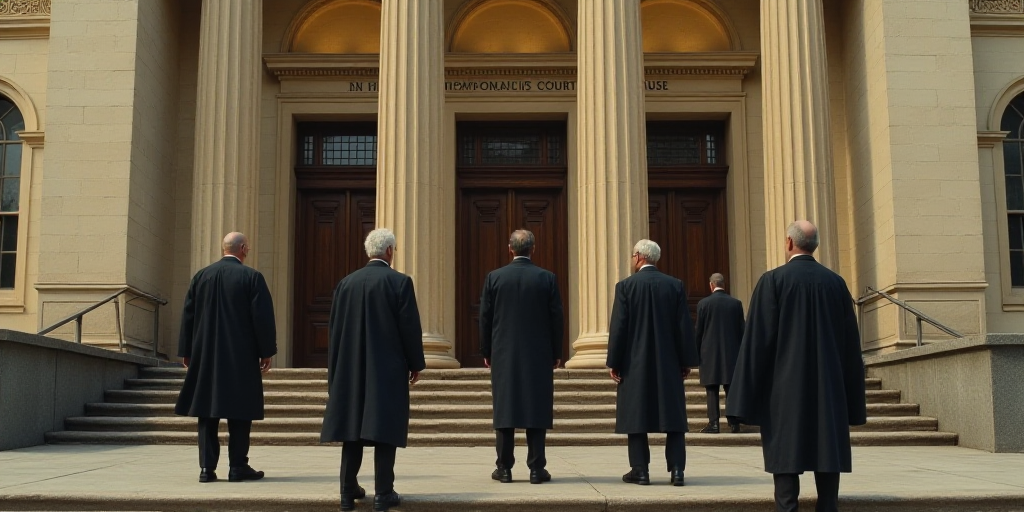
On Thursday, the United States imposed sanctions on two additional judges of the ICC in support of Israel. This move comes amidst an arrest warrant issued by the ICC for Prime Minister Netanyahu, who is accused of war crimes related to Israel’s policies in the occupied Palestinian territories. The US action is part of a broader criticism of the ICC by several countries, including Israel, Russia, and China, which argue that the court oversteps its boundaries.
ICC Judges Targeted by Sanctions
The two judges targeted by the US sanctions are part of the ICC’s panel that ruled on Israel’s status as a territory over which the court has jurisdiction. Their sanctions are intended to express solidarity with Israel and undermine the ICC’s authority.
Impact on the ICC and International Law
These sanctions raise questions about the effectiveness and legitimacy of international courts in addressing human rights violations. Critics argue that such actions weaken the global pursuit of justice and accountability, while supporters claim it is necessary to protect national sovereignty.
Key Questions and Answers
- Who are the two ICC judges sanctioned by the US? The identities of the two judges have not been disclosed, but they are part of the ICC panel that ruled on Israel’s jurisdiction.
- What are the war crimes accusations against Netanyahu? The ICC alleges that Israel’s settlement activities in the West Bank and East Jerusalem, along with the treatment of Palestinians, constitute war crimes under international law.
- Why are some countries, like the US, imposing sanctions on ICC judges? These countries argue that the ICC oversteps its authority by investigating actions of non-member states, such as Israel, and that it poses a threat to their national sovereignty.
- How do these sanctions affect the ICC and international law? Critics claim that such actions weaken international justice and accountability, while supporters argue it is essential to protect national sovereignty.




