
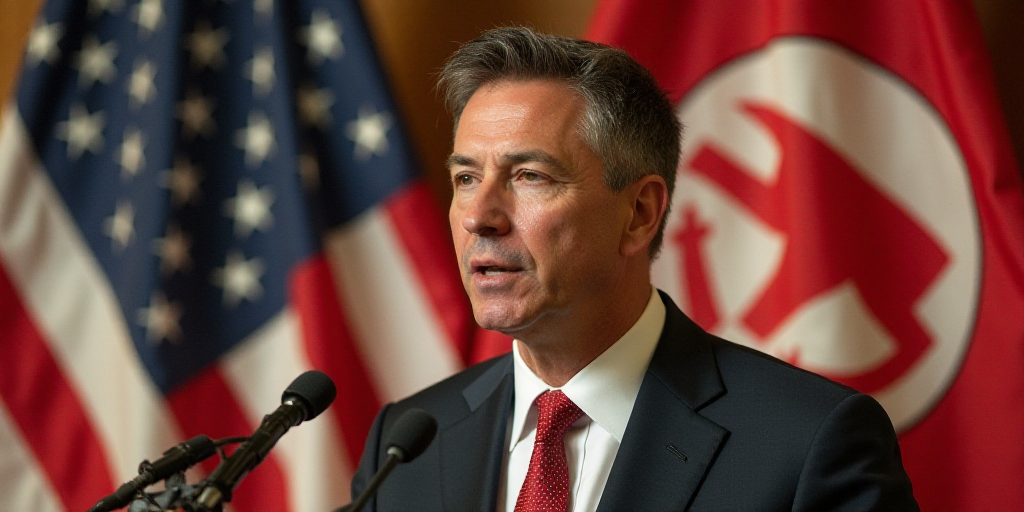
Background on the Current Situation in Venezuela
Venezuela, once a prosperous nation with the largest oil reserves in the world, has been grappling with a deepening political and economic crisis for over a decade. Hyperinflation, widespread shortages of food and medicine, and mass emigration have left the country in dire straits. The political landscape is divided between President Nicolás Maduro, who inherited the presidency from Hugo Chávez, and the opposition leader Juan Guaidó, who declared himself interim president in 2019 with the support of over 50 countries, including the United States and key European nations.
The Role of Marco Rubio
Marco Rubio is a United States Senator representing Florida, known for his strong stance on Latin American affairs. As a member of the Senate Foreign Relations Committee, Rubio has been vocal about Venezuela’s crisis and the need for a democratic transition. His comments on the deployment of U.S. troops in Venezuela reflect his concern over potential military intervention, which he described as a “public obsession.”
EU’s Stance on Venezuela
The European Union has expressed its readiness to collaborate with the current Venezuelan government if it takes “appropriate decisions.” This stance was conveyed during a press conference by EU High Representative for Foreign Affairs and Security Policy, Josep Borrell. The EU aims to support a peaceful resolution of the crisis through dialogue and negotiation, emphasizing respect for human rights, democracy, and the rule of law.
Key Actions and Ideas
- EU’s Conditions: The EU has outlined several conditions for collaboration, including the holding of free and fair elections, respect for human rights, and adherence to democratic norms.
- Support for Dialogue: The EU encourages dialogue between the Venezuelan government and opposition to find a sustainable solution to the crisis.
- Sanctions: The EU has imposed targeted sanctions on Venezuelan officials responsible for undermining democracy and human rights, while maintaining a willingness to lift them if progress is made.
- Humanitarian Aid: The EU continues to provide humanitarian assistance to address the severe needs of the Venezuelan people, including food, healthcare, and education.
Key Questions and Answers
- Q: What is the current political situation in Venezuela?
A: Venezuela is experiencing a profound political and economic crisis, with two competing governments: President Nicolás Maduro’s regime and opposition leader Juan Guaidó, who claims the interim presidency with international support.
- Q: Who is Marco Rubio and why is he relevant?
A: Marco Rubio is a U.S. Senator from Florida, known for his strong opinions on Latin American affairs. His comments on the Venezuelan situation reflect his concern over potential military intervention.
- Q: What is the EU’s position on Venezuela?
A: The EU is willing to collaborate with the current Venezuelan government if it takes appropriate decisions, such as holding free and fair elections, respecting human rights, and adhering to democratic norms.
- Q: What conditions has the EU set for collaboration with Venezuela?
A: The EU has outlined several conditions, including the holding of free and fair elections, respect for human rights, adherence to democratic norms, and a commitment to dialogue with the opposition.
- Q: How is the EU supporting the Venezuelan people?
A: The EU provides humanitarian assistance to address the severe needs of the Venezuelan people, including food, healthcare, and education.




