
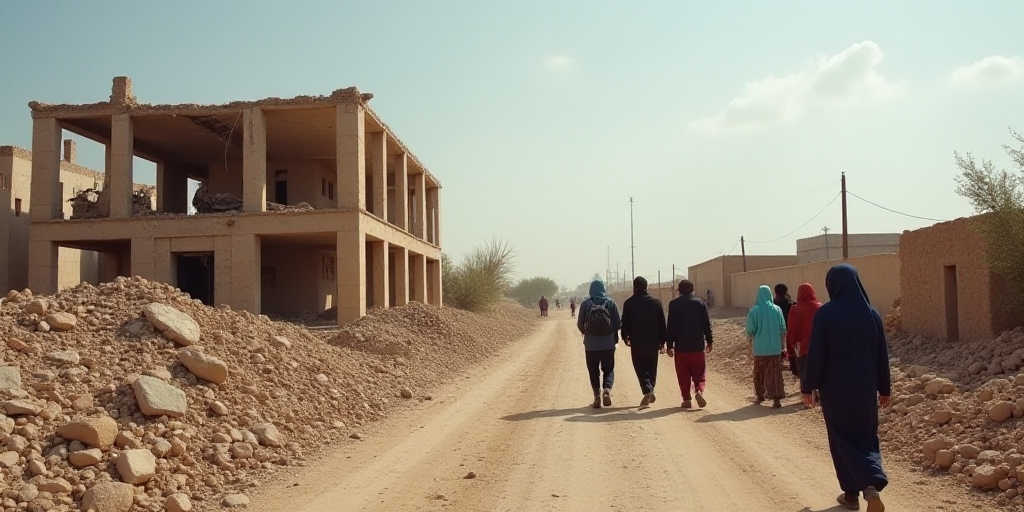
Background on the Rafah Border Crossing and its Significance
The Rafah border crossing is a vital entry point for humanitarian aid into the Gaza Strip. Situated between Egypt and Gaza, it serves as one of the few gateways for essential supplies such as food, medicine, and construction materials to reach the Palestinian territory.
Why is Rafah Border Crossing Important?
- Limited Access: Gaza has been under an Israeli-Egyptian blockade since 2007, severely restricting the movement of people and goods in and out of the territory.
- Humanitarian Aid: Rafah is crucial for delivering humanitarian aid, as it provides the only regular access to international assistance for Gaza’s population of over 2 million.
- Economic Impact: The crossing also plays a role in limited trade and economic activities, helping to sustain Gaza’s fragile economy.
EU Diplomatic Efforts and Pressure on Netanyahu
In recent weeks, European Union (EU) emissaries have been engaging with Israeli Prime Minister Benjamin Netanyahu, urging him to reopen the Rafah border crossing in accordance with the existing ceasefire agreement.
Context of EU’s Involvement
- Mediators in Ceasefire Negotiations: The EU has been actively involved in mediating the ongoing Israeli-Palestinian conflict, including negotiations leading to the current ceasefire.
- Promoting Humanitarian Access: The EU advocates for unhindered humanitarian access to Gaza, emphasizing the importance of Rafah for delivering aid and supporting the local population.
Impact of Rafah Reopening on Gaza and its People
Should Netanyahu agree to reopen Rafah, it would significantly improve the lives of Gaza’s residents by:
- Facilitating Aid Delivery: Ensuring a steady flow of humanitarian supplies, including food, medicine, and essential goods.
- Boosting Economic Activities: Allowing for increased trade and economic engagement, which could help alleviate Gaza’s economic hardships.
- Promoting Regional Stability: Contributing to a more stable environment in the Middle East by addressing humanitarian concerns and fostering cooperation between Israel, Egypt, and Palestine.
Key Questions and Answers
- Who are the EU emissaries? The EU emissaries are diplomats representing various European countries working together to mediate and promote peace in the Middle East.
- Why is Rafah border crossing significant for Gaza? Rafah serves as a critical entry point for humanitarian aid, essential supplies, and limited trade, helping to sustain Gaza’s population and economy.
- What is the current status of negotiations regarding Rafah? Negotiations are ongoing, with the EU urging Prime Minister Netanyahu to reopen Rafah in line with the existing ceasefire agreement.
- What would be the potential benefits of reopening Rafah? Reopening Rafah could facilitate aid delivery, boost economic activities, and promote regional stability.




