
Introduction
Every year, as the clock strikes 6 PM on October 31st, children don their costumes and embark on a global tradition: trick-or-treating. Halloween, a celebration with roots in ancient Celtic festivals, has evolved into a worldwide phenomenon, with the United States leading the charge in its enthusiastic embrace of this spooky holiday. Even the President participates in the festivities, highlighting its significance within American culture.
Halloween’s Global Reach
From bustling metropolises to quaint villages, Halloween has become a universal event. In countries such as Canada, Ireland, the United Kingdom, Australia, and New Zealand, communities come together to celebrate with elaborate decorations, themed parties, and costume contests. The holiday’s popularity has also spread to non-Western nations, where it is increasingly adopted and adapted to suit local customs.
United States: The Halloween Capital
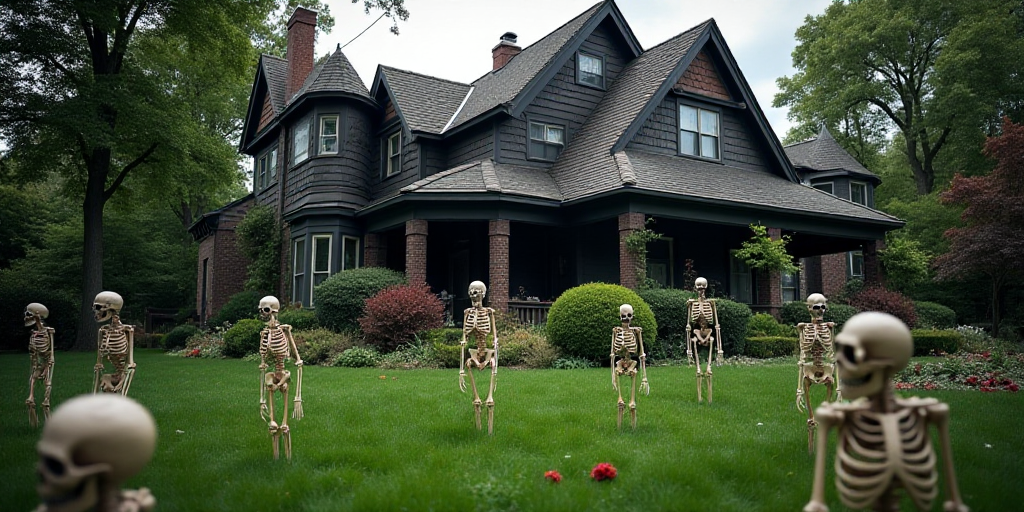
The United States, particularly, is synonymous with Halloween. With its large-scale commercialization and widespread participation, the country sets the standard for Halloween celebrations. From elaborate haunted houses to community events, Americans go all out to embrace the holiday’s eerie spirit.
Presidential Participation: A Unique Tradition
In the United States, Halloween has become so ingrained in popular culture that even the President takes part in the festivities. This unique tradition began with Richard Nixon, who, in 1974, donned a costume and distributed candy to White House staff. Since then, subsequent presidents have continued the custom, demonstrating its significance within American society.
Impact on Communities and Children
Community Building
Halloween fosters a sense of community by bringing neighbors together for shared experiences. Children, accompanied by parents or guardians, traverse neighborhoods, knocking on doors and collecting treats. This annual ritual strengthens social bonds and encourages interaction among residents.
Childhood Memories
For children, Halloween is a magical time filled with excitement and anticipation. Dressing up as their favorite characters, exploring neighborhoods, and indulging in sweets create lasting memories. The holiday also provides an opportunity for kids to exercise their creativity through costume design and decoration.
Cultural Adaptation and Evolution
As Halloween spreads across the globe, it inevitably encounters diverse cultural influences. In some countries, the holiday is intertwined with local traditions, resulting in unique celebrations that reflect both indigenous customs and Halloween’s core elements. This fusion of cultures enriches the global Halloween experience, showcasing the adaptability and universal appeal of this modern-day celebration.
Key Questions and Answers
- What is Halloween? Halloween is an annual celebration originating from ancient Celtic festivals, now widely recognized for its spooky themes, costumes, and trick-or-treating.
- Why is Halloween so popular in the United States? The United States has embraced Halloween through large-scale commercialization, community events, and presidential participation, making it a significant cultural tradition.
- How does Halloween impact communities? Halloween fosters community building by encouraging neighbors to interact and share experiences during the annual trick-or-treating ritual.
- What makes Halloween special for children? For children, Halloween is a magical time filled with excitement, creativity, and lasting memories created through costume design, exploration, and indulging in treats.
- How does Halloween adapt to different cultures? As Halloween spreads globally, it encounters diverse cultural influences, resulting in unique celebrations that blend indigenous customs with Halloween’s core elements.




