
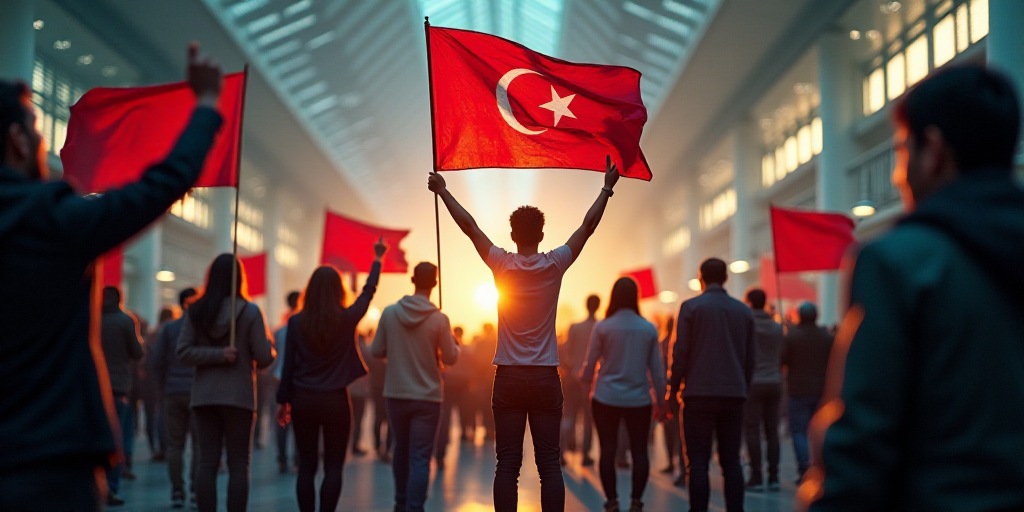
Background on the Iranian Leader and Context of Protests
Ayatollah Ali Khamenei, the supreme leader of Iran, has issued a stern warning that his country will not yield to the escalating protests, which pose a significant challenge to Iran’s Islamic Republic that has been in power since 1979.
Who is Ayatollah Ali Khamenei?
Ayatollah Ali Khamenei is the second and current Supreme Leader of Iran, holding the highest position in the country’s political system. He succeeded Ayatollah Ruhollah Khomeini, the founder of the Islamic Republic, following Khomeini’s death in 1989. As the supreme leader, Khamenei holds extensive powers, including control over the military, the ability to appoint key officials, and significant influence over Iran’s domestic and foreign policies.
Context of the Protests
The protests in Iran began in late 2019, initially sparked by anger over economic hardship and the government’s handling of water shortages in major cities. The demonstrations have since evolved into broader calls for political change and an end to the Islamic Republic. The protests have been met with a strong response from Iranian authorities, resulting in numerous arrests and reports of violence.
Key Points from Ayatollah Khamenei’s Statement
In a speech on Friday, Ayatollah Khamenei addressed the growing unrest and emphasized that Iran will not make concessions to protesters.
Iran’s Firm Stance
“The country will not yield to your unrest and riots,” Khamenei stated, addressing the protesters. He further emphasized that “the nation will not tolerate sedition.”
Protests as a Challenge to the Islamic Republic
Khamenei acknowledged that the protests represent a serious challenge to Iran’s Islamic Republic, stating that “enemies” are attempting to exploit the situation. He urged Iranians to remain steadfast and not allow foreign powers to interfere in the country’s internal affairs.
Impact on Iran and Its People
The ongoing protests have raised concerns about political stability in Iran and the potential for further unrest. The government’s response to the demonstrations has led to numerous arrests, with human rights organizations reporting that thousands of people have been detained since the protests began.
- Economic Impact: The protests have highlighted the economic struggles faced by many Iranians, including high unemployment rates and inflation.
- Social Divisions: The unrest has exposed deep-seated social divisions within Iran, with some segments of society expressing dissatisfaction with the current political system.
- International Relations: The protests and the government’s response have strained Iran’s relations with Western countries, which have condemned the crackdown on demonstrators. At the same time, Iran has accused foreign powers of attempting to destabilize the country.
Key Questions and Answers
- Who is Ayatollah Ali Khamenei? Ayatollah Ali Khamenei is the supreme leader of Iran, holding the highest position in the country’s political system and wielding significant influence over Iran’s domestic and foreign policies.
- What sparked the protests in Iran? The protests initially began due to economic hardship and the government’s handling of water shortages. They have since evolved into broader calls for political change and an end to the Islamic Republic.
- What did Ayatollah Khamenei say about the protests? In a speech, Ayatollah Khamenei warned that Iran will not yield to the protesters and emphasized that the country will not tolerate sedition or allow foreign powers to interfere in its internal affairs.
- What are the potential consequences of the protests? The ongoing unrest has raised concerns about political stability in Iran, deepened social divisions, and strained the country’s international relations.




