
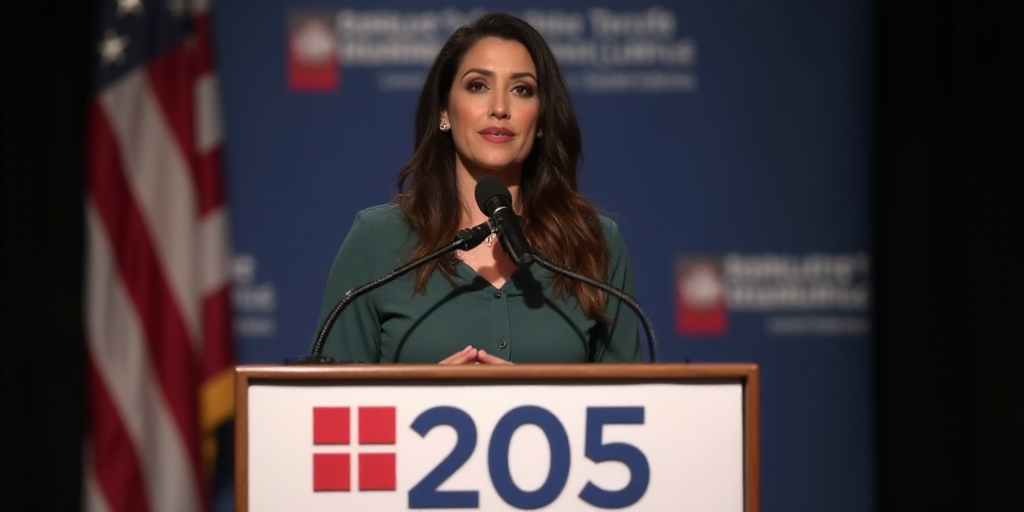
Background on Claudia Sheinbaum and Her Relevance
Claudia Sheinbaum, the head of Mexico City’s government, has been making headlines due to her firm stance on international issues. As the capital city’s chief executive, she represents a significant political figure in Mexico. Her recent call for the United Nations (UN) to intervene in the face of U.S. President Donald Trump’s oil sanctions against Venezuela highlights her commitment to upholding constitutional principles and fostering global dialogue.
Trump’s Oil Sanctions Against Venezuela
In August 2019, the United States imposed severe sanctions on Venezuela’s oil industry, aiming to oust President Nicolás Maduro. These sanctions included a “total and complete” block on Venezuelan oil tankers, as stated by President Trump. The objective was to exert economic pressure on the Maduro administration, which the U.S. deemed illegitimate.
Sheinbaum’s Call for UN Intervention
In response to Trump’s actions, Sheinbaum emphasized Mexico’s adherence to constitutional principles of non-intervention, self-determination of peoples, and peaceful resolution of disputes. She urged the UN to take action, arguing that unilateral sanctions could exacerbate Venezuela’s humanitarian crisis and destabilize the region further.
Impact on Venezuela and the Regional Context
Venezuela, once Latin America’s wealthiest nation, has been grappling with a deepening economic and political crisis for years. Hyperinflation, food and medicine shortages, and mass emigration have become commonplace under Maduro’s rule. The U.S. sanctions, while intended to pressure the government, have had unintended consequences for the Venezuelan people.
- Exacerbated Humanitarian Crisis: Sanctions have limited Venezuela’s access to international finance, worsening the country’s inability to import essential goods and services.
- Limited Opposition Support: Critics argue that sanctions have alienated potential allies within Venezuela, making it harder for the opposition to mobilize and challenge Maduro’s regime.
- Regional Instability: The ongoing crisis in Venezuela has strained relations between regional powers, with some countries like Cuba and Nicaragua supporting Maduro while others, including the United States and many Latin American nations, back opposition leader Juan Guaidó.
Mexico’s Role and Sheinbaum’s Influence
As a prominent member of the Latin American left, Mexico has historically advocated for diplomatic solutions to regional conflicts. Sheinbaum’s call for UN intervention reflects this tradition and underscores Mexico’s commitment to multilateralism. Her stance also highlights the importance of regional cooperation in addressing complex challenges like Venezuela’s ongoing crisis.
Key Questions and Answers
- What are the U.S. sanctions against Venezuela? The U.S. imposed severe sanctions on Venezuela’s oil industry in August 2019, aiming to pressure President Nicolás Maduro’s government into relinquishing power.
- Why did Claudia Sheinbaum call for UN intervention? Sheinbaum emphasized Mexico’s adherence to constitutional principles of non-intervention, self-determination, and peaceful dispute resolution. She argued that unilateral sanctions could worsen Venezuela’s humanitarian crisis and destabilize the region.
- What are the consequences of U.S. sanctions on Venezuela? Sanctions have limited Venezuela’s access to international finance, worsened the humanitarian crisis, alienated potential opposition supporters, and strained regional relations.
- Why is Mexico’s stance significant? As a key member of the Latin American left, Mexico’s commitment to diplomacy and multilateralism through Sheinbaum’s call for UN intervention underscores the importance of regional cooperation in addressing complex challenges.




