
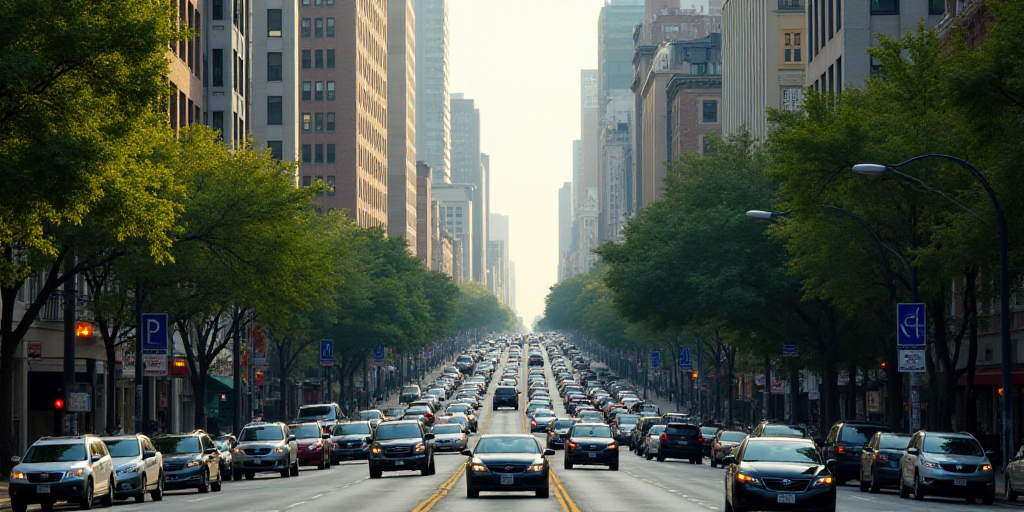
Introduction to the Ozone Issue and its Impact
On January 8, the environmental agency reported a peak hourly ozone concentration of 160 parts per billion (ppb) at the Cuajimalpa station, triggering Stage 1 of the environmental contingency plan in the Zona Metropolitana del Valle de México (ZMVM).
Who is Affected and Why?
The ZMVM, which encompasses Mexico City and its surrounding municipalities, is home to over 21 million people. This region faces air quality challenges due to various factors, including vehicle emissions, industrial activities, and geographical conditions. High ozone levels can exacerbate respiratory issues, particularly for vulnerable groups such as children, the elderly, and those with pre-existing conditions.
Understanding Ozone and its Sources
Ozone (O₃) is a gas composed of three oxygen atoms. At ground level, it is considered a pollutant and can cause respiratory problems, damage crops, and harm the environment. In the ZMVM, ozone is primarily formed through a chemical reaction involving volatile organic compounds (VOCs) and nitrogen oxides (NOx), which are emitted by vehicles, industrial processes, and other human activities.
The Contingency Plan Explained
The environmental contingency plan in the ZMVM consists of several stages, each with specific measures to reduce pollutant emissions. Stage 1 involves promoting awareness and encouraging voluntary compliance among citizens and businesses to decrease emissions.
Key Actions Taken During Stage 1
- Public Awareness Campaign: Authorities have launched a campaign to inform the public about the current ozone levels and the importance of reducing emissions.
- Voluntary Measures: Citizens are encouraged to carpool, use public transportation, or work from home when possible. Businesses are advised to optimize their operations to minimize emissions.
- Ho No Circula Program: The existing Ho No Circula vehicle restriction program continues, with specific days and hours when certain types of vehicles are prohibited from driving.
Impact on Daily Life
During Stage 1, residents may notice increased efforts to reduce emissions, such as fewer cars on the road and a greater emphasis on public transportation. Schools and businesses may implement flexible work hours or remote work options to minimize traffic congestion.
Key Questions and Answers
- What is ozone? Ozone (O₃) is a gas composed of three oxygen atoms. At ground level, it is considered a pollutant that can cause respiratory problems and harm the environment.
- Why is ozone a concern in the ZMVM? High ozone levels in the ZMVM are primarily caused by vehicle emissions, industrial activities, and geographical conditions, posing risks to public health and the environment.
- What actions are taken during Stage 1 of the contingency plan? During Stage 1, authorities promote public awareness, encourage voluntary compliance, and continue existing vehicle restriction programs like Ho No Circula.
- How does Stage 1 affect daily life in the ZMVM? Residents may notice fewer cars on the road, increased use of public transportation, and flexible work arrangements to minimize traffic congestion.




