
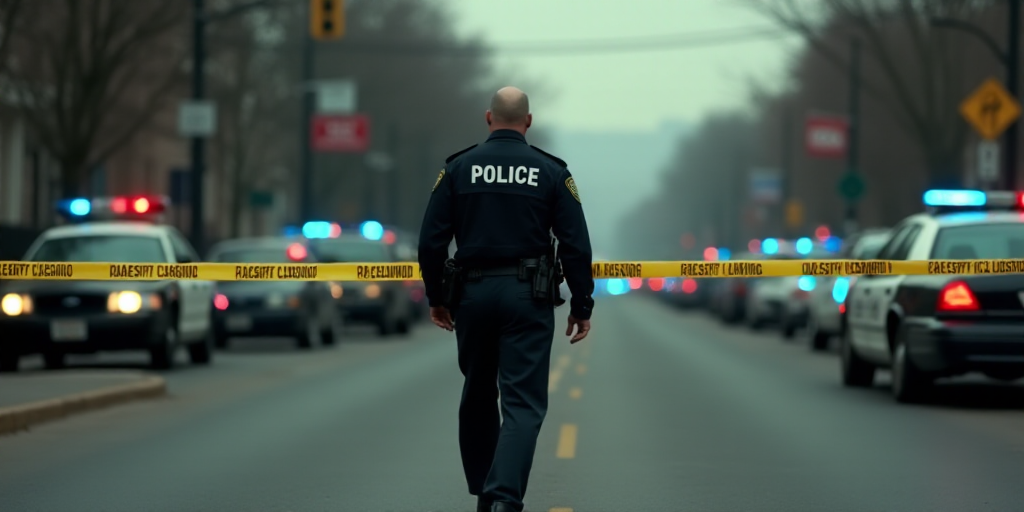
Understanding the Current Situation
In Mexico, 69.4% of urban-dwelling women and 57.1% of men perceive their cities as unsafe places to live, according to a recent study.
Key Areas of Concern
- Public Transportation: Cited as one of the most insecure areas by residents.
- Streets: Another major concern for urban dwellers regarding safety.
Who is Affected?
This perception of insecurity affects a significant portion of Mexico’s population, with women reporting higher levels of concern compared to men. The impact extends beyond personal feelings, influencing daily activities and decisions.
Prominent Figures and Their Roles
One notable figure addressing this issue is Dr. Maria de Lourdes Rodriguez, a renowned sociologist and criminologist at the National Autonomous University of Mexico (UNAM). Dr. Rodriguez has been researching urban insecurity for over two decades and is considered an authority on the subject.
Her work focuses on understanding the root causes of urban insecurity, such as socioeconomic disparities, corruption, and the drug trade. Dr. Rodriguez advocates for comprehensive policies that tackle these underlying issues to improve public safety.
Impact on Society
The rising perception of urban insecurity has several consequences for Mexican society:
- Reduced Quality of Life: Residents may avoid public spaces, limit their social interactions, and experience increased stress due to safety concerns.
- Economic Consequences: Businesses may suffer from decreased foot traffic and reduced investment due to perceived insecurity.
- Policy Implications: The government faces pressure to address these concerns through improved law enforcement, community programs, and long-term policy changes.
Key Questions and Answers
- Q: Who is most affected by the rising urban insecurity perception?
A: Women are reporting higher levels of concern compared to men, although the issue impacts the entire urban population. - Q: What are the primary areas of insecurity mentioned by residents?
A: Public transportation and streets are cited as the most insecure areas. - Q: Who is working to address urban insecurity in Mexico?
A: Dr. Maria de Lourdes Rodriguez, a sociologist and criminologist at UNAM, is a prominent figure researching and advocating for solutions to urban insecurity. - Q: What are the societal consequences of rising urban insecurity?
A: Consequences include reduced quality of life, economic impacts on businesses, and policy implications for the government.




