
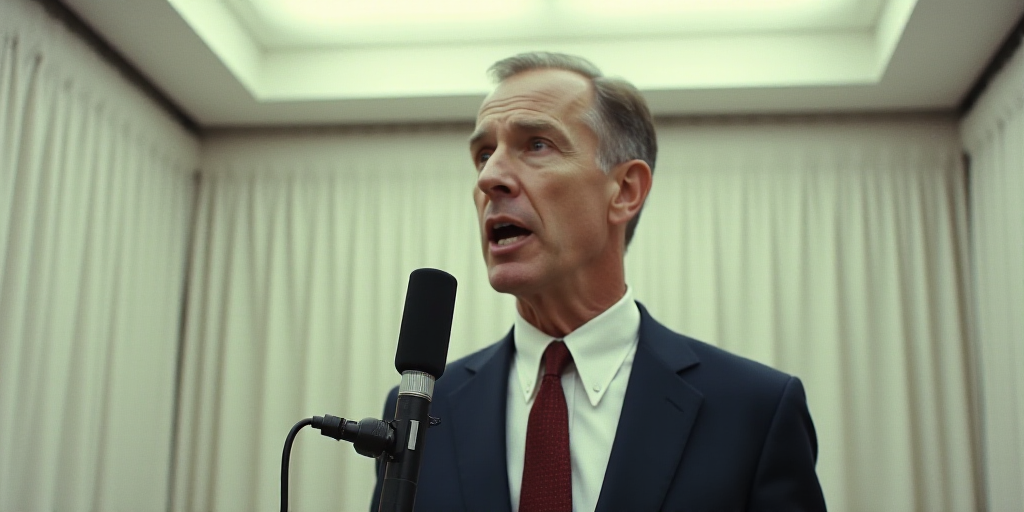
Background on Donald Trump and His Administration’s Stance on Iran
Donald Trump, the 45th President of the United States, served from January 2017 until January 2021. His administration maintained a contentious relationship with Iran, marked by reimposing sanctions following the US withdrawal from the Joint Comprehensive Plan of Action (JCPOA), also known as the Iran nuclear deal, in May 2018. The JCPOA was an international agreement that aimed to limit Iran’s nuclear program in exchange for relief from economic sanctions.
Trump’s Statements on Iran
On Friday, Donald Trump suggested that Iran is seeking a deal to avoid potential military action from the United States. This statement came after Iran expressed its willingness to resume dialogue, albeit without discussing its defense and ballistic capabilities.
Iran’s Position and Recent Developments
Iran, under President Hassan Rouhani’s administration, has been eager to revive the nuclear deal following the US withdrawal. The current Iranian administration, led by President Ebrahim Raisi since August 2021, has shown interest in resuming negotiations with world powers, including the United States, to salvage the JCPOA.
Key Actions and Ideas
- US Withdrawal from JCPOA: In May 2018, the Trump administration withdrew from the JCPOA and reimposed sanctions on Iran, aiming to compel Iran to negotiate a more comprehensive deal addressing its ballistic missile program and regional influence.
- Iran’s Response: Iran responded by gradually increasing its nuclear activities beyond JCPOA limits, while maintaining that it would return to compliance if the US lifted sanctions and rejoined the agreement.
- Trump’s Recent Statements: Trump’s recent comments suggest that Iran might be seeking a deal to prevent potential military action from the US. This interpretation stems from Iran’s willingness to restart talks, though it has made clear that its defense and ballistic capabilities will not be on the negotiation table.
Key Questions and Answers
- What is the Joint Comprehensive Plan of Action (JCPOA)? The JCPOA is a nuclear deal signed in 2015 between Iran and world powers, including the United States, China, France, Germany, Russia, and the United Kingdom. The agreement aimed to limit Iran’s nuclear program in exchange for sanctions relief.
- Why did the US withdraw from the JCPOA? The Trump administration withdrew from the JCPOA in May 2018, citing concerns about Iran’s ballistic missile program and regional influence, which were not addressed in the original agreement.
- What is Iran’s current stance on the JCPOA? Iran, under both Rouhani and Raisi administrations, has expressed a desire to return to the JCPOA if the US lifts sanctions and rejoins the agreement. Iran insists that its defense and ballistic capabilities are non-negotiable.
- What does Trump’s recent statement imply? Trump’s suggestion that Iran seeks a deal to avoid US military action indicates that Iran might be open to negotiations to prevent potential conflict with the United States.
Impact on the Region and Beyond
The ongoing tensions between the US and Iran have significant implications for regional stability, nuclear non-proliferation efforts, and international diplomacy. A potential deal could ease sanctions on Iran, boost its economy, and limit its nuclear activities. Conversely, failure to reach an agreement might lead to further escalation and increased regional tensions.




