
Background on the T-MEC and its Significance
The Tratado entre México, Estados Unidos y Canadá (T-MEC) is a significant trade agreement between Mexico, the United States, and Canada. This trilateral agreement aims to modernize and update the North American Free Trade Agreement (NAFTA) by addressing issues such as labor rights, digital trade, and environmental protection. The T-MEC’s successful implementation is crucial for the economic growth and stability of all three countries.
Consultation Process Initiated by Mexico’s Secretariat of Economy
In October, Mexico’s Secretariat of Economía (SE) launched a consultation process to gather insights from various sectors and stakeholders regarding the T-MEC. The aim was to identify priority areas in foreign trade that could boost Mexico’s competitiveness within the agreement’s framework.
Engaging with Sectorial Stakeholders
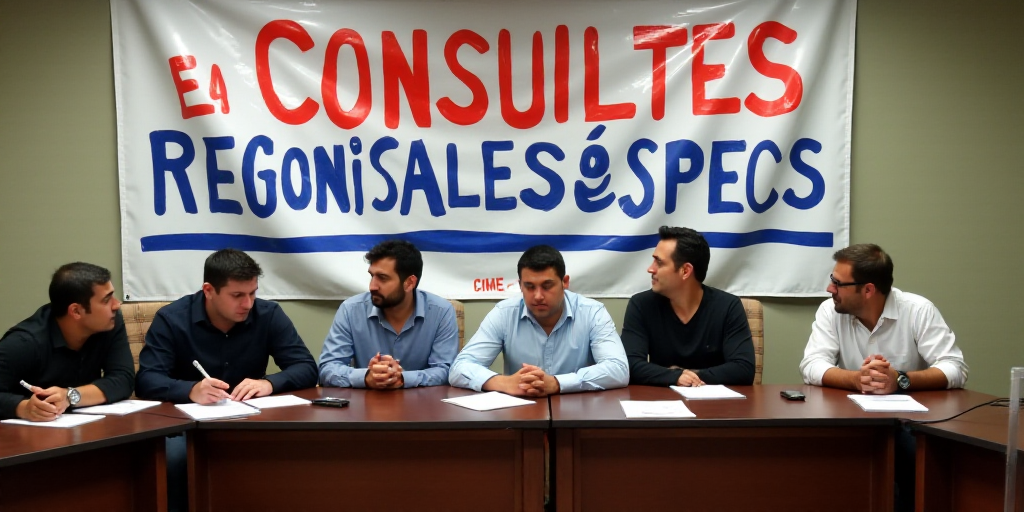
The SE organized meetings with 30 productive sectors and key actors across Mexico’s 32 states. These dialogues allowed participants to voice their opinions on crucial trade matters and propose improvements for the T-MEC.
Collecting Input through Surveys and Questionnaires
Alongside the sectorial meetings, the SE distributed a questionnaire to gather in-depth proposals from the private sector. This ensured that diverse perspectives were considered during the consultation process.
Extensive Participation and Data Collection
By November 5, the SE had received over 2,000 state-level questionnaires and at least 500 from representatives of various economic sectors. This extensive participation demonstrates the commitment of Mexican stakeholders to shape their nation’s stance on the T-MEC review.
Next Steps and Commitment to Equitable Conditions
The SE will compile the collected information into a document to be presented to Mexico’s President and the Senate in January 2026. This document will formulate a national position for the T-MEC review, reflecting Mexico’s interests as comprehensively as possible.
Moreover, the SE has established a T-MEC microsite for public input and is coordinating dialogues with labor unions to ensure all voices are heard. This inclusive approach aims to create a balanced and equitable stance for Mexican businesses within the T-MEC, fostering regional integration and addressing each state’s unique economic and social circumstances.
Sectorial Consultations Overview
The SE conducted consultations in the following sectors:
- Heavy vehicles
- Logistics
- Dairy, dairy products, and derivatives; beverages and processed foods
- Furniture and paper
- Mining
- Chemicals
- Plastics and toys; information and communication technologies
- Professional and business services; agroindustry
- Light vehicles
- Energy and petrochemicals; metal products, metalworking, and derivatives
- Circular economy
- Aerospace
- Footwear, textiles, and apparel
Additional sectors included cement, glass, and ceramics; electrical manufacturing; agriculture; livestock; creative industries; electronics; steel and aluminum; tourism; real estate and construction; pharmaceutical, medical devices, and cosmetics; automotive parts and tires; fishing; and social economy.




