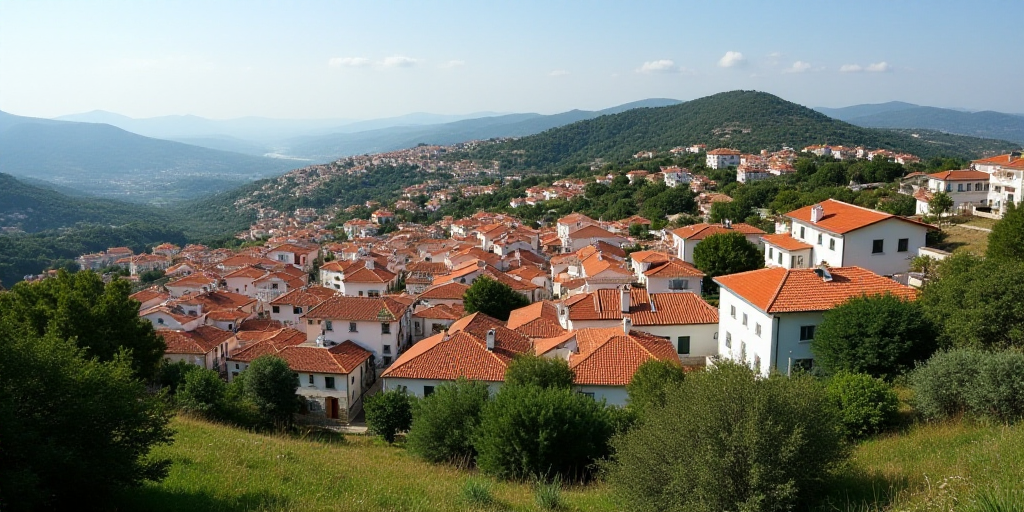
Used Homes in Industrial, Logistical, and Energy Hubs Become Increasingly Popular
The used housing segment is thriving in regions with industrial, logistical, and energy vocations. Location, size, and price are key factors attracting buyers to these properties.
Contrary to being viewed as a secondary market, this segment has strengthened its presence in the Polos del Bienestar (Well-being Poles) driven by the Federal Government. In cities like Ciudad Juárez, Puebla, Hermosillo, Altamira, and Tuxpan, used homes are gaining popularity over new property purchases.
Ciudad Juárez and Puebla: Thriving Markets
The industrial boom and the relocation of companies have bolstered the real estate market in Ciudad Juárez, where not only industrial naves but also used homes are among the most sought-after properties.
According to the Real Estate Agents Association and the Public Registry of Property, 6,400 real estate transactions were registered during the first half of 2025, with a 10% increase in prices. Nearly eight out of ten transactions belong to the economic segment, with values between 500,000 and 1.5 million pesos, reflecting its importance for working families seeking proximity to industrial corridors and improved connectivity.
In Puebla, the trend is similar. According to Tinsa México by Accumin, 37% of transactions correspond to used properties. The average price for these properties is approximately 2.7 million pesos, with an area of around 201 square meters.
Expansion to New Poles
This phenomenon is not limited to central areas. In Altamira, Tamaulipas, the supply of used homes—including units originally acquired with Infonavit credits—has been sustained due to the development of the industrial and logistics corridor in the Gulf.
In Tuxpan, Veracruz, the inventory of used homes listed on real estate portals confirms the trend towards this segment in areas with port and energy vocations.
Meanwhile, in Campeche, the marketing of homes in colonial areas reinforces the significance of used properties as the main player in the real estate sector.
“The common thread in all these poles is clear: used housing offers competitive advantages such as price, space, and location, although it faces challenges like limited inventory availability and the need for accessible financing,” said Tuhabi.
Technology to Streamline the Market
Given this scenario, Tuhabi has developed AI-based technological solutions that enable automatic valuations in seconds and digitize legal processes, reducing escrituración (deed registration) times by up to 35%.
“Used housing is the key to transforming the buying and selling experience in Latin America. We are betting on this segment because we believe that the future of the sector will depend on offering more agile, reliable, and secure processes for families,” stated Juan Carlos Hartasanchez, Global Corporate Affairs and Public Policy Director at Tuhabi.
Thanks to innovation advancements, the company has achieved transactions 35% faster, operational cost reductions of up to 50%, and the implementation of new solutions six times faster than the regional average.
“The future of the Well-being Poles will be determined by companies’ ability to evolve from traditional models to strategies based on innovation, digitalization, and people-centered services,” pointed out the proptech.
Key Questions and Answers
- What is driving the popularity of used homes in industrial poles? The proximity to industrial corridors, improved connectivity, and competitive pricing are key factors.
- How has the used housing market performed in Ciudad Juárez and Puebla? Both cities have seen a surge in used home transactions, with prices increasing by 10% in the first half of 2025. In Puebla, 37% of transactions correspond to used properties.
- What challenges does the used housing market face? Limited inventory availability and the need for accessible financing are significant challenges.
- How is technology impacting the used housing market? Tuhabi’s AI-based solutions have streamlined processes, reduced transaction times, and lowered operational costs.